

Air Conditioner Maintenance: A Complete Guide to Cleaning and Signs of a Possible Gas Leak
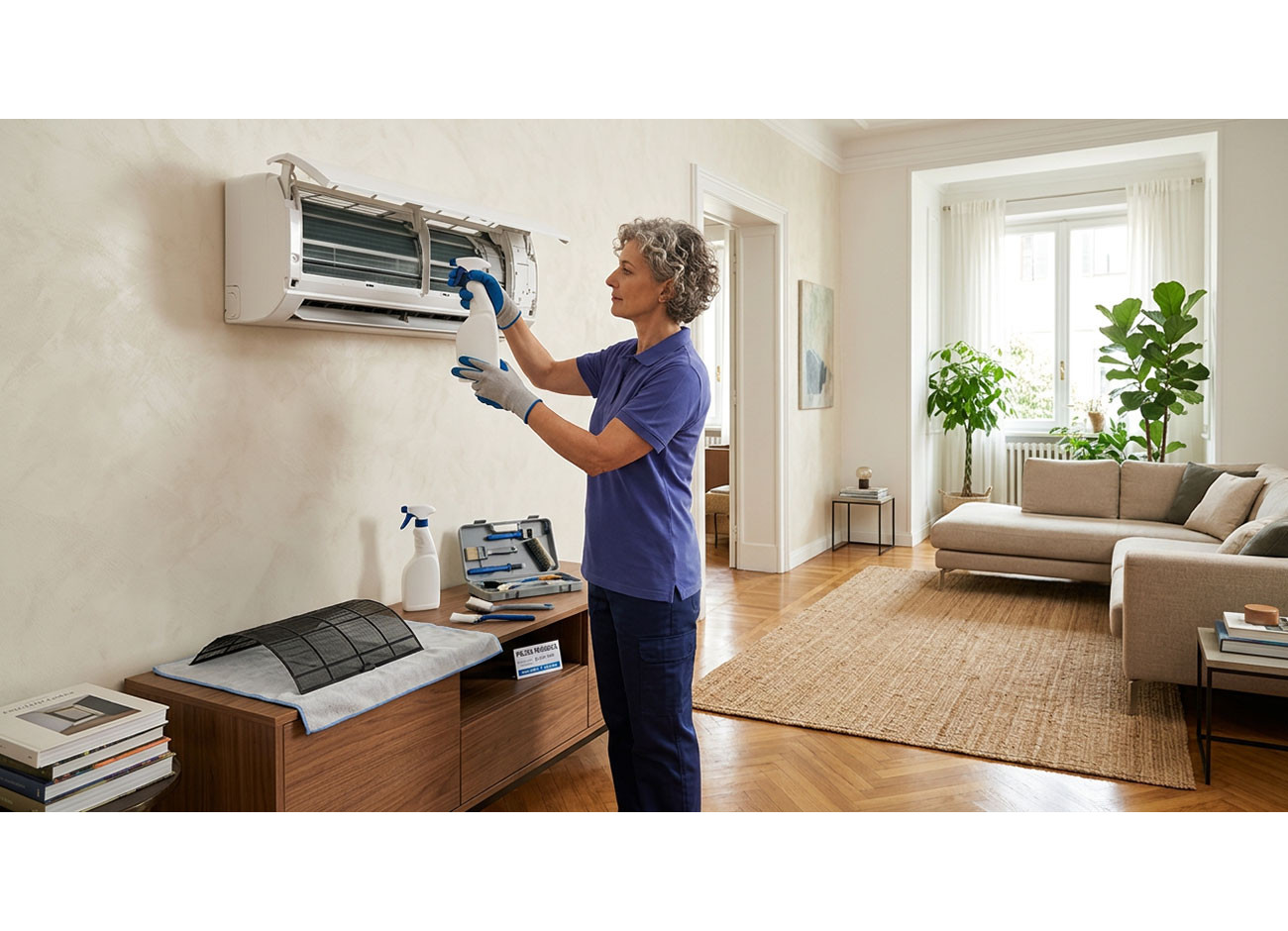
Air conditioner maintenance is not a single operation, nor an “emergency intervention” to perform only when the air coming out is no longer as cold. It is a set of activities that, when carried out regularly, help maintain:
- efficiency (more stable performance and less waste),
- comfort (temperature easier to reach and maintain),
- indoor air quality (less dust buildup in the parts through which the air passes).
Maintenance consists of two separate areas:
- Routine cleaning: filters, indoor unit (split), fan, outdoor unit.
- Technical inspections/diagnostics: checks performed when specific symptoms appear, including those that may indicate a possible refrigerant gas shortage.
This guide brings both areas together clearly without confusing them: cleaning is scheduled maintenance; lack of refrigerant is a technical diagnosis issue requiring professional intervention when the appropriate signs are present.
Why Maintenance Really Matters (Including Energy Consumption)
An air conditioner operating with dirty components or technical faults:
- takes longer to reach the desired temperature,
- tends to operate less consistently,
- may lead to higher energy consumption and reduced comfort.
Performing maintenance helps reduce the risk of entering the hot season with a less efficient system.
Part 1 — Cleaning the Air Conditioner: What to Do and How to Do It
Before You Start: Safety
Before performing any operation:
- turn off the air conditioner,
- disconnect it from the power supply.
This is a simple but essential rule.
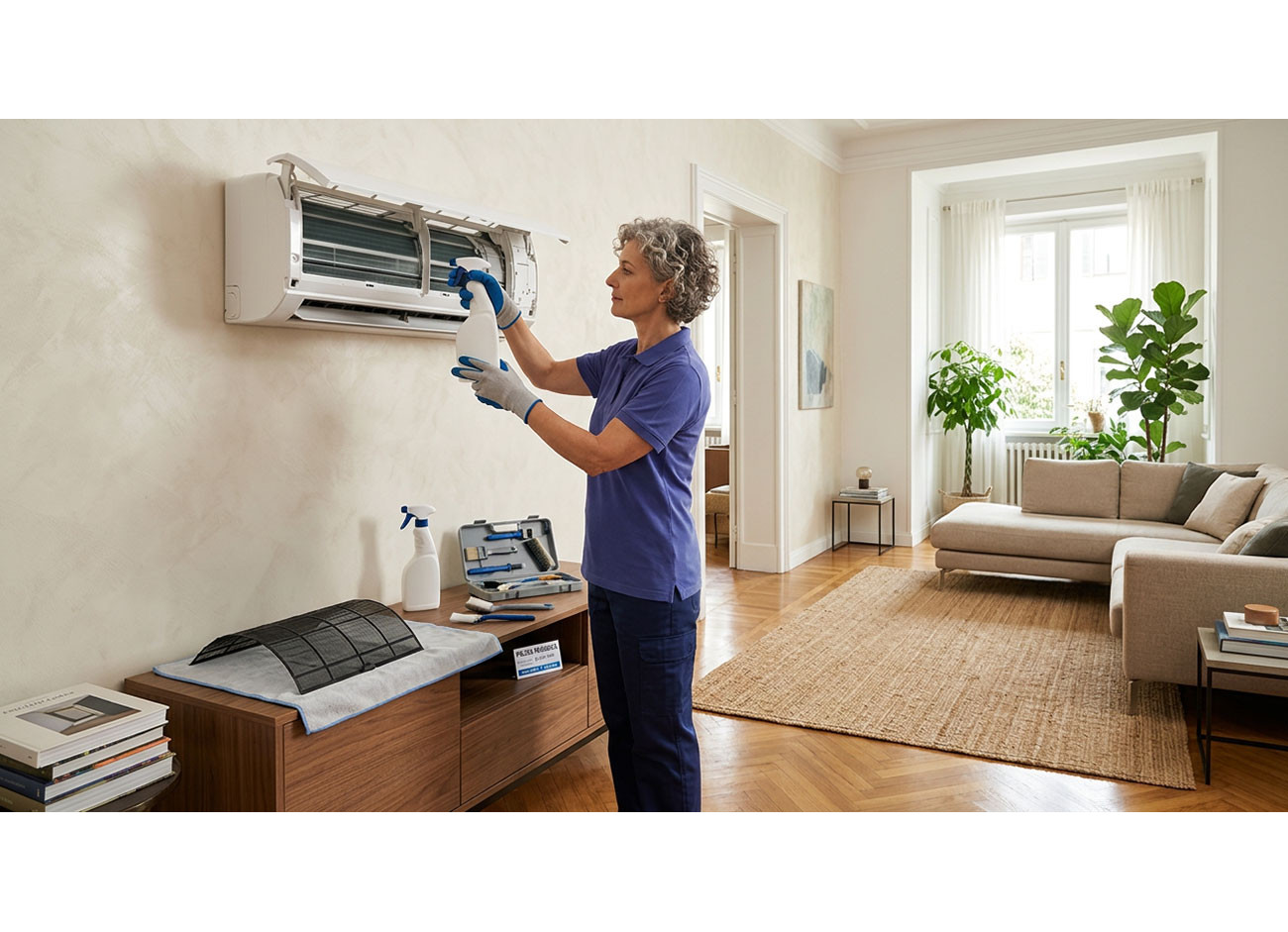
1) How to Clean Air Conditioner Filters (Step by Step)
The filters are the first thing to check because they get dirty easily and directly affect airflow.
- Open the front panel of the indoor unit (split).
- Remove the filters (they usually slide out or unclip easily).
- Quick cleaning: use a vacuum cleaner with a soft brush attachment to remove dust.
- Deep cleaning: wash with lukewarm water and mild soap using a soft sponge.
- Allow the filters to air dry completely (avoid heat sources).
- Reinstall the filters and close the panel.
2) How to Clean the Indoor Unit (Split): Front Panel, Air Vents and Louvers
This helps maintain hygiene and performance.
- Front panel: use a soft damp cloth; mild detergent only if necessary.
- Air vents: use a vacuum cleaner with a narrow nozzle or a damp cloth.
- Internal louvers: clean gently without forcing or bending them.
For more thorough cleaning, you can use sanitizing sprays specifically designed for air conditioners, following the manufacturer's instructions.
3) How to Clean the Air Conditioner Fan Without Disassembling It
This step is often overlooked but helps reduce dust and dirt buildup inside the unit.
- Turn off and disconnect the air conditioner.
- Open the front panel; if necessary, remove the filters for better access.
- Vacuum using a long, narrow attachment.
- Clean with a slightly damp cloth, avoiding excessive water near electronic components.
- Reinstall the filters and close the panel.
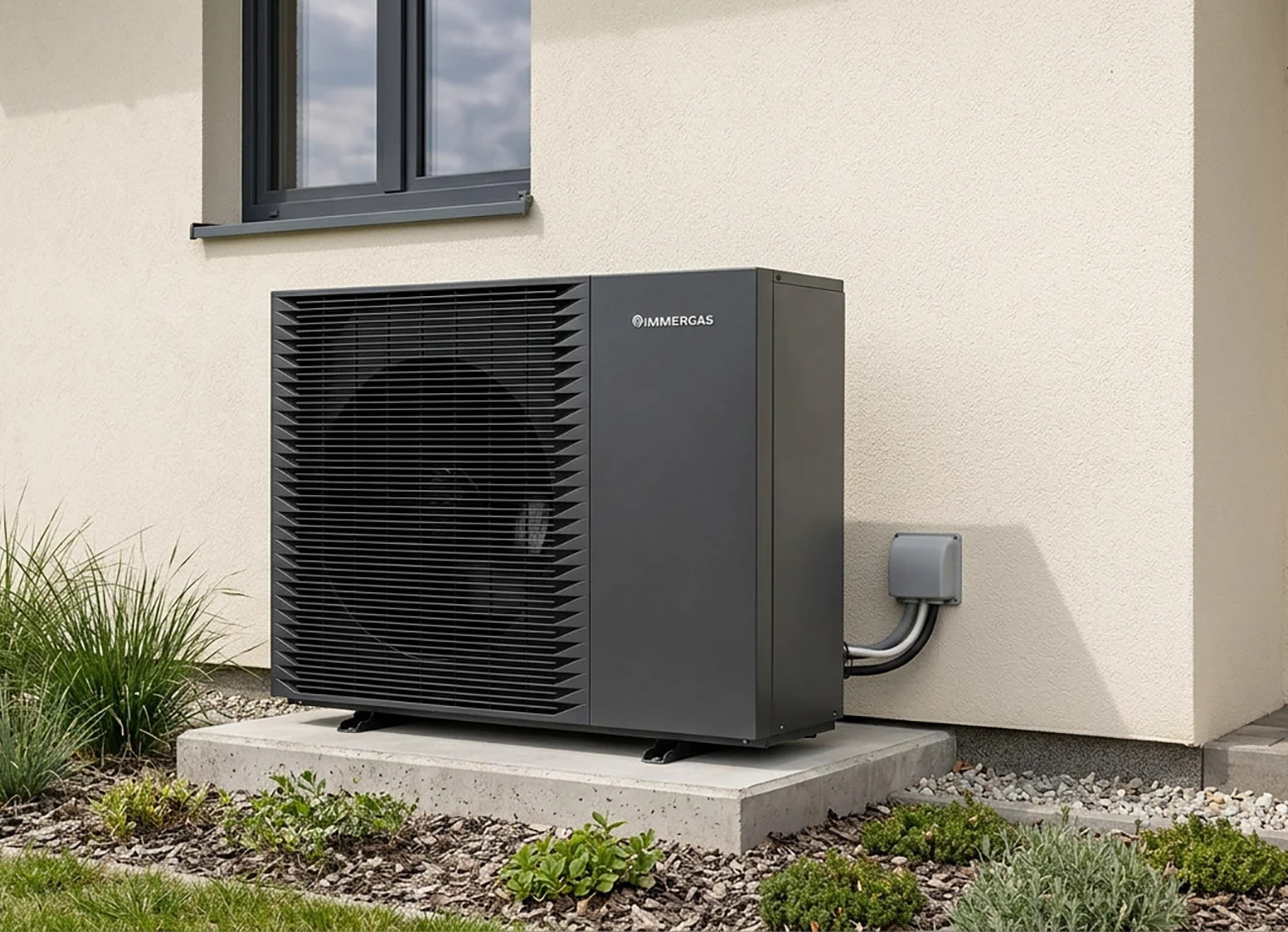
4) How to Clean the Outdoor Unit
The outdoor unit is exposed to dust, leaves and debris: proper cleaning helps maintain efficient heat exchange.
- Turn off and disconnect the unit.
- Remove debris (leaves) with a brush or broom.
- Clean the fins using a soft brush (without bending them).
- Rinse.
- Allow it to dry completely before turning it back on.
Professional Maintenance: When to Schedule It
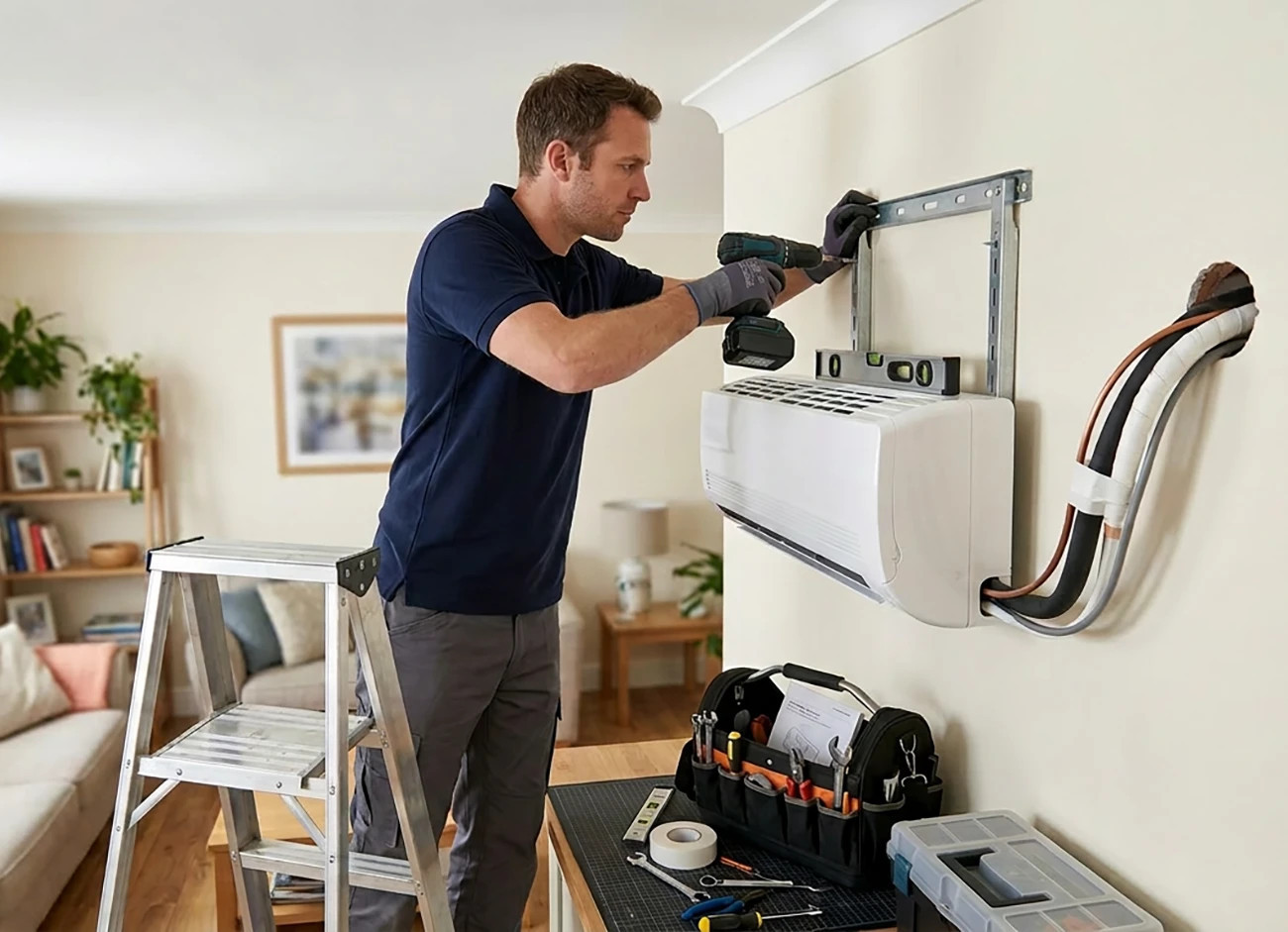
In addition to routine cleaning, it is good practice to have professional maintenance performed at least once a year to check the overall condition of the system and prevent problems.
BOX — Mistakes to Avoid When Maintaining Your Air Conditioner
- Cleaning the indoor unit without disconnecting the power.
- Reinstalling damp filters.
- Using a pressure washer on the outdoor unit.
- Bending the fins.
- Using excessive water on the fan or internal components.
- Using aggressive cleaning products.
- Cleaning only when performance drops.
- Assuming every performance loss is caused by low refrigerant.
Part 2 — How to Tell If Your Air Conditioner Is Low on Refrigerant (Signs and Preliminary Checks)
A possible refrigerant shortage is not a cleaning issue but a technical diagnostic matter. Refrigerant is generally not consumed; if it is missing, there is often a leak or another problem within the refrigeration circuit.
Signs That May Indicate Low Refrigerant
- insufficient cooling,
- unusual noises (hissing or bubbling),
- ice on the evaporator coils or pipes,
- higher electricity consumption,
- frequent on/off cycles.
What You Can Check Before Calling a Technician
- Visually inspect coils and pipes for ice or excessive condensation.
- Check whether the air coming out is significantly warmer than usual.
- If you have already thoroughly cleaned the filters and indoor unit and the problem persists, it is reasonable to move on to the next step.
How the Problem Is Properly Solved (And Why Simply "Refilling" Is Not Enough)
- Locate and repair any leaks.
- Recharge with the correct amount and type of refrigerant specified by the manufacturer.
- Verify pressures and overall system operation.
A qualified technician can measure system pressure using tools such as a manifold gauge and carry out the work safely and correctly.
Final Checklist: Proper Maintenance
If you are performing routine maintenance:
- clean and dry filters;
- clean indoor unit (panel, vents and louvers);
- fan free from visible buildup;
- outdoor unit free from leaves and debris.
If you suspect a technical problem:
- ice on pipes/coils,
- hissing or bubbling noises,
- very poor cooling performance,
- increasing energy consumption,
- frequent on/off cycling.
→ professional inspection is required.
StorePST Air Conditioners
If you are considering a new air conditioner (Single Split, Dual Split, Triple Split, Quad Split) or would like to compare models and accessories, visit the dedicated category:
In Same Category
- New monobloc heat pumps on StorePST: faster to integrate, more straightforward to install
- NEW CONDENSING BOILERS: VAILLANT ECOTEC PLUS, ECOVIT VKK AND IMMERGAS VICTRIX SUPERIOR, VICTRIX ZEUS
- Which water heater to choose: a guide to selecting the right model
- New Air Conditioner Deals at StorePST: Why Buying in September Pays Off
- Boiler servicing: how often it is mandatory, what it includes, and how much it costs