

How and when to sow your lawn: a practical guide to a perfect turf

How and When to Sow a Lawn: A Practical Guide to a Perfect Turf
Growing a healthy, resilient, and visually harmonious lawn is the dream of many garden owners. To achieve a uniform turf, the timing of sowing is crucial. In this guide, we explain when to sow a lawn, how to do it correctly, and which professional seeds and fertilizers you can use to maximize results.
Why Choose Spring to Sow Your Lawn
Spring is the best time to sow a traditional lawn, made up of cool-season grass species such as perennial ryegrass, poa, and tall fescue. These varieties prefer a cool and humid climate, with stable soil temperatures around 10–12°C, a condition typical of March and April across most of Italy.
By sowing in spring, the lawn has plenty of time to:
- - take root deeply and securely
- - establish itself before summer
- - better withstand subsequent mowing, irrigation, and treatments
Soil temperature, however, is more important than air temperature. In spring, it is advisable to measure the ground temperature in the early morning and early afternoon, to avoid premature sowing when nights are still cold.
Sowing in Autumn: An Excellent Alternative
Early autumn is also a favorable period for sowing, and in some climatic areas it can even be better than spring. Still-warm soil, reduced weed growth, and a lower risk of fungal diseases create ideal conditions for rapid germination.
In cooler climate zones, it is preferable to sow by the first half of October. In Central and Southern Italy, sowing can be done even later, taking advantage of the extended warm weather. It is essential, however, that the lawn develops enough to withstand the onset of cold, otherwise the risk of incomplete germination is high.
Is It Possible to Sow in Summer or Winter?
Summer sowing is not recommended. High temperatures, peak evaporation rates, and the abundant presence of weeds make it difficult to maintain constant soil moisture and allow seeds to germinate. Sowing at the start of summer is only possible with very fast-germinating seeds, preventive treatments, and controlled irrigation systems.
During winter, sowing is strongly discouraged: cold soil slows down or completely blocks germination and can damage seeds waiting to develop.
How to Prepare the Soil Before Sowing
The soil preparation phase is decisive for successful sowing. First, the ground must be cleared of stones, weeds, and debris, then aerated or tilled to a depth of 15–20 cm.
The surface should then be leveled and lightly compacted with a rake or roller. If the soil tends to waterlog, adding silica sand or organic compost can help improve drainage and structure.
Only at this point can you proceed with the actual sowing.
How to Spread Seeds Correctly
To achieve a dense and even lawn:
- - divide the seeds into two equal quantities
- - spread the first portion lengthwise
- - spread the second crosswise, in the opposite direction
This method minimizes the formation of sparse patches and promotes uniform coverage. Once sown, you can lightly cover the seeds with a thin layer of lawn topsoil or sand, then roll the surface to help the seeds adhere to the ground.
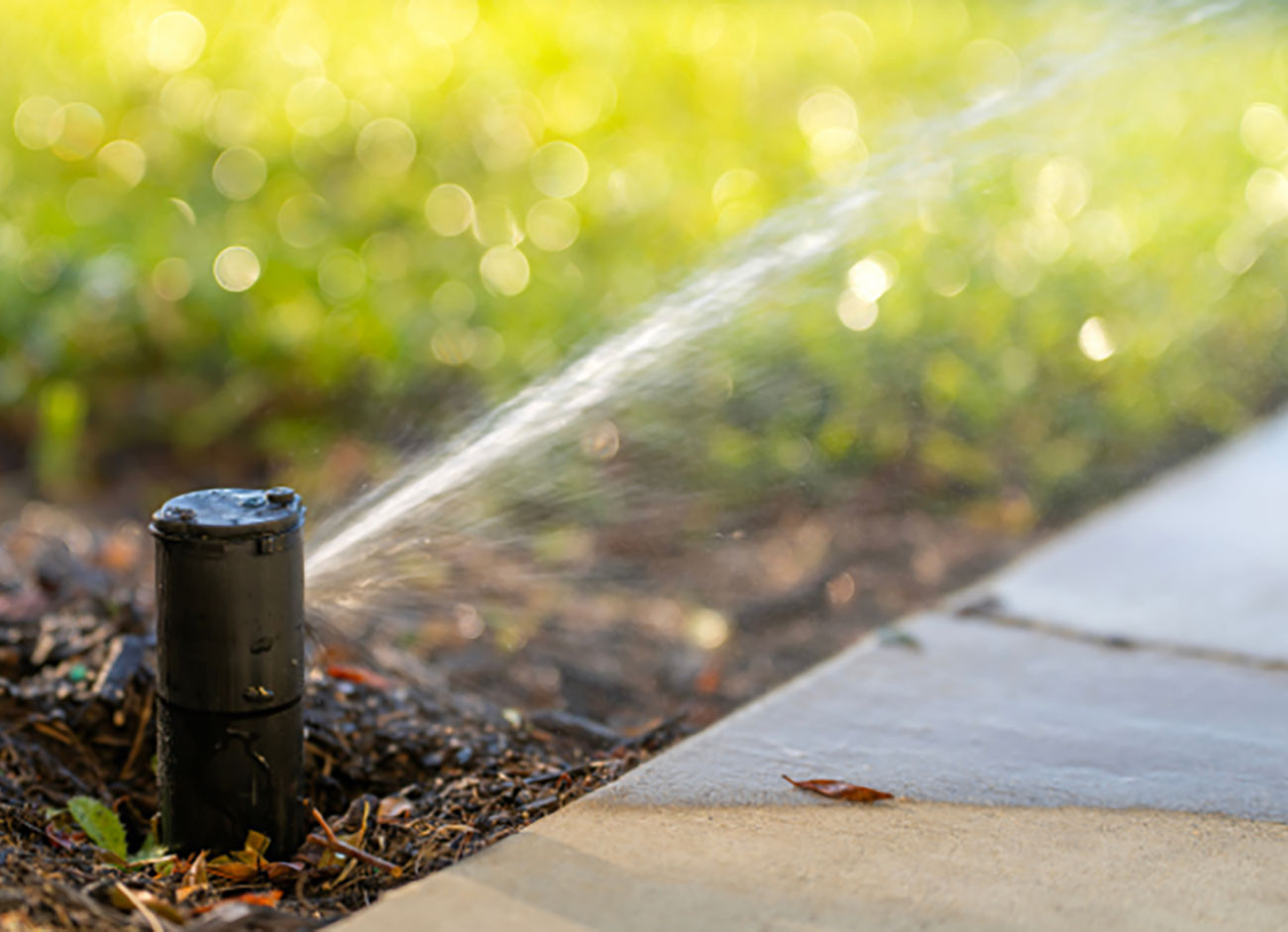
Irrigation must be consistent and gentle: the soil should remain moist (not waterlogged) until visible germination occurs, which takes on average between 5 and 14 days depending on the seed type and environmental conditions.
Recommended Products for Sowing: Seeds and Garden Fertilizers
At Store PST you will find a wide range of professional seeds by Bottos, suitable for every need:
Recommended Seeds
- - Royal Blue: dense, elegant turf, resistant to foot traffic
- - Maciste: suitable for hot climates and difficult soils
- - Giada: fast germination and excellent aesthetic results
- - Venere: fine and balanced lawn, perfect for residential settings
Recommended Fertilizers
- - Bio Start (post-sowing starter)
- - Summer K (heat stress protection)
- - Sprint N (rapid vegetative recovery)
For best results, follow an annual fertilization program and use fresh, latest-generation products.
Conclusions
Spring is the best time to sow a lawn, followed by early autumn, especially if you live in areas with a mild climate.
Choose certified seeds, prepare the soil thoroughly, and complement your sowing with targeted technical fertilizers.
With the solutions available at Store PST, even a first-time gardener can achieve a compact, healthy, and long-lasting lawn in just a few months — one to enjoy all year round.
Visit the Seeds and Fertilizers section now to choose the most suitable products for your garden.
For personalized advice: supporto@storepst.com – +39 378 308 0441
In Same Category
- New monobloc heat pumps on StorePST: faster to integrate, more straightforward to install
- NEW CONDENSING BOILERS: VAILLANT ECOTEC PLUS, ECOVIT VKK AND IMMERGAS VICTRIX SUPERIOR, VICTRIX ZEUS
- Which water heater to choose: a guide to selecting the right model
- New Air Conditioner Deals at StorePST: Why Buying in September Pays Off
- Boiler servicing: how often it is mandatory, what it includes, and how much it costs