

Boiler servicing: how often it is mandatory, what it includes, and how much it costs
Boiler servicing is one of those topics that often causes confusion: “is it the same as maintenance?”, “how often do I need to have it done?”, “what are the risks if I do not do it?”.
In this guide, we provide a clear and practical explanation of what boiler servicing involves, when it is mandatory, how much it costs on average and which documents you need to keep in order.
What is boiler servicing (and what does it include)?
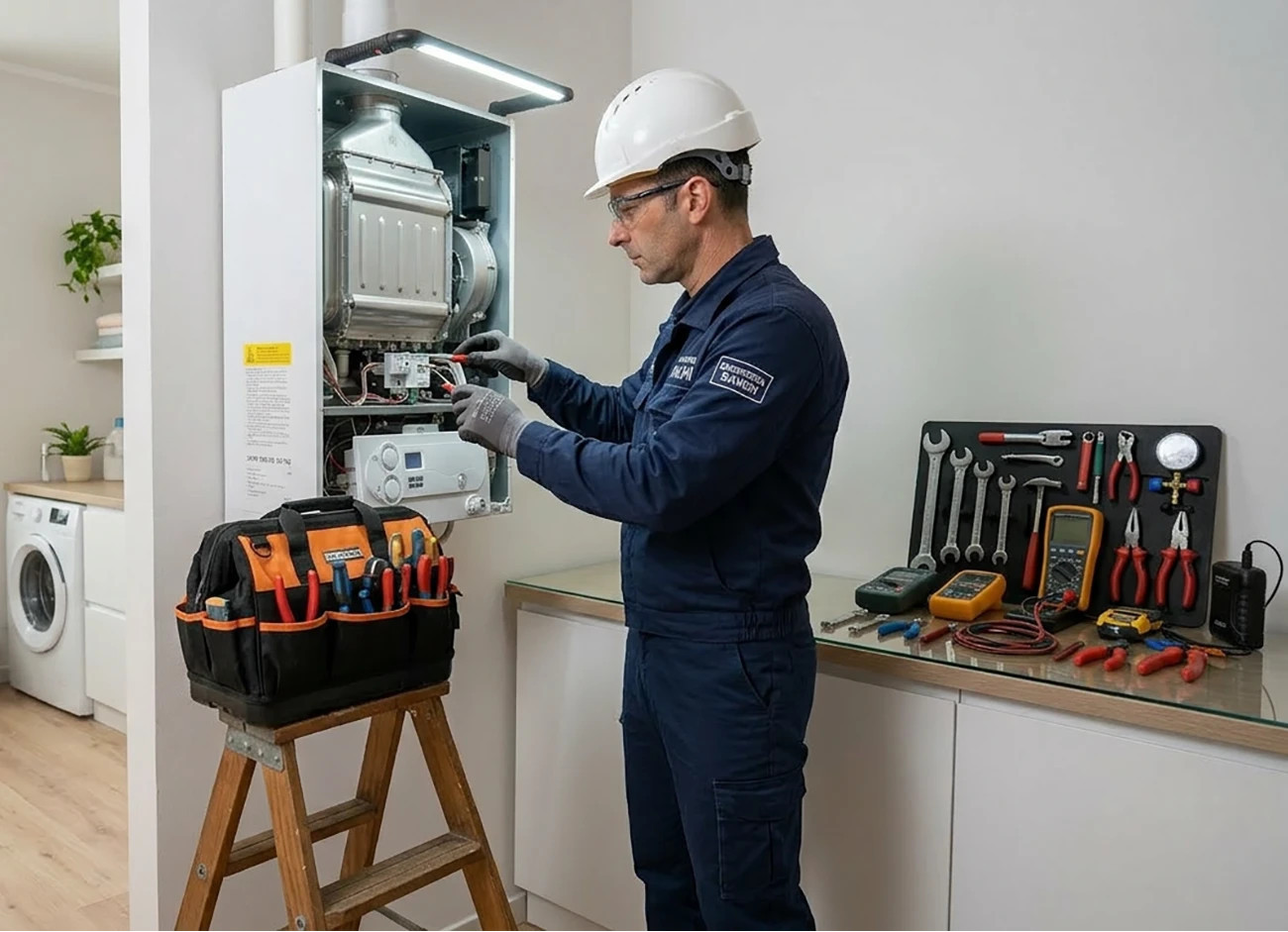
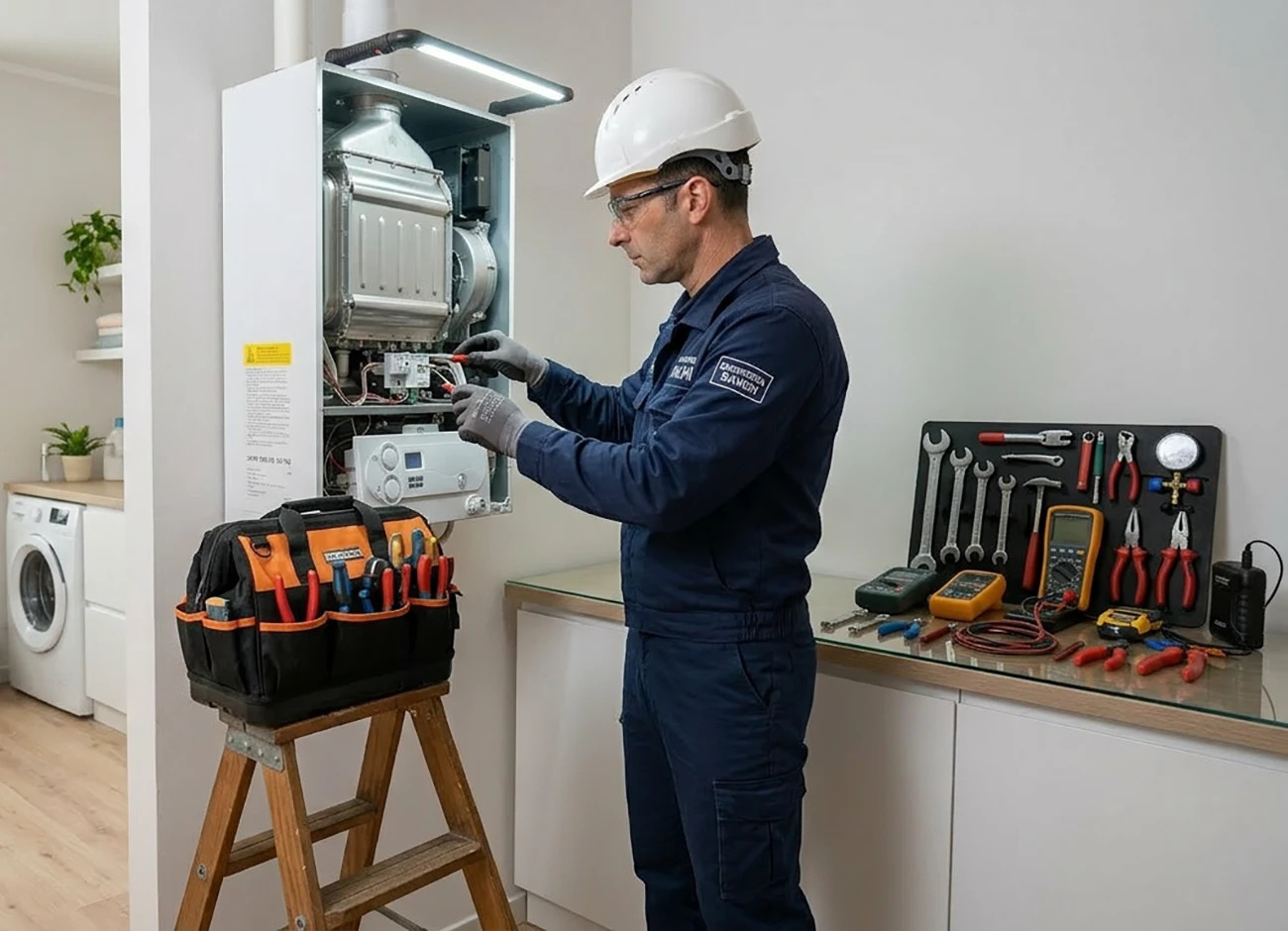
“Servicing” refers to an energy efficiency inspection involving verification of combustion efficiency, flue gas analysis and updating of the system logbook.
It generally includes:
- Flue gas measurement and verification of combustion parameters
- Checking that the system complies with the applicable emission limits
- Completing/updating the system logbook
- Issuing the energy efficiency inspection report (mandatory document)
This work must be carried out by a qualified technician.
Servicing vs routine maintenance: what is the difference?
This is the most common question.
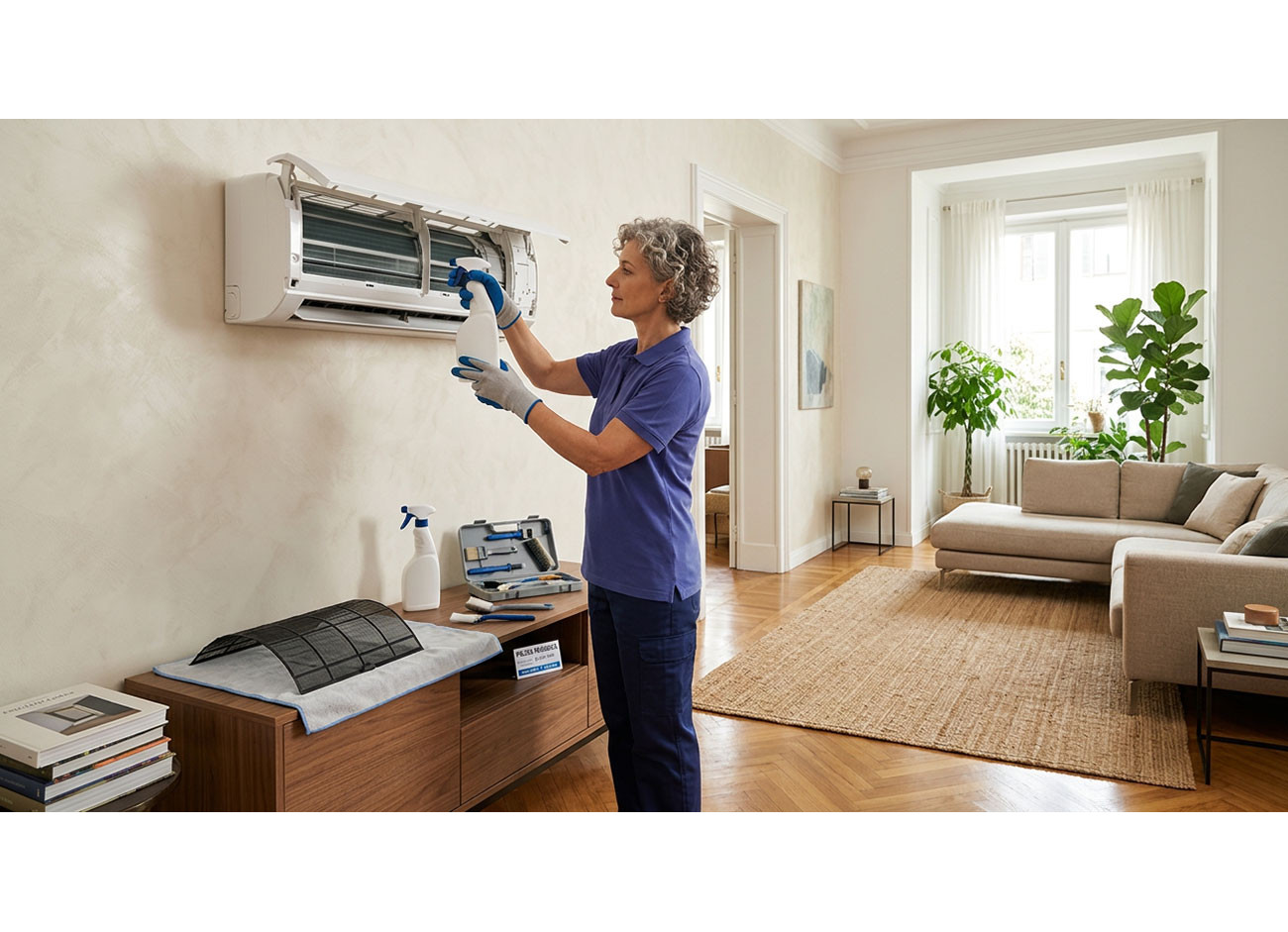
- Routine maintenance: concerns the ongoing care and “mechanical” efficiency of the boiler over time (cleaning, checks on components subject to wear, any necessary replacements). It may also be required every year, especially if specified in the manufacturer’s manual.
- Servicing (energy efficiency inspection): relates to the mandatory inspection of the system in terms of efficiency and emissions, including flue gas analysis and official documentation.
In short: maintenance helps keep the boiler working properly; servicing also serves to demonstrate that the system complies with regulations.
How often should the boiler be serviced?
There is no single deadline that applies to everyone. It depends on:
- system output
- type of fuel
- the manufacturer’s instructions
- any regional regulations, which may be more restrictive
Practical rule (widely applied)
- for domestic gas boilers < 35 kW: every 4 years
- for larger systems or systems using different fuels: often every 1–2 years
- in some Regions (e.g. Lombardy, Emilia-Romagna), the rules may be more stringent
Servicing is also required when:
- you replace the heat generator (new boiler)
- you make significant changes to the system
Tip: if you are unsure about your actual deadline, check the system logbook, the latest inspection report and the applicable regional/local regulations (or ask your maintenance technician).
What you need and which documents you must have
To comply with the regulations, you will normally need:
- an up-to-date system logbook
- an energy efficiency inspection report issued by the technician
- any receipts/registrations required by the regional heating system register, where applicable
Keep these documents safe: in the event of an inspection, they will be the first items requested.
How much does boiler servicing cost? (average prices)
The cost varies depending on the area, model/output and services included. As a general indication:
- €70–€100 for a standard inspection with flue gas analysis
- €100–€130 when routine maintenance work is also included
Note: these are average figures. An accurate quotation also depends on the accessibility of the system and the condition of the boiler.
What the regulations say (in simple terms)
Boiler servicing is required under the regulations governing heating systems and energy efficiency inspections (the main reference is Italian Presidential Decree 74/2013), together with the relevant technical standards (e.g. UNI standards for installation and flue gas analysis).
Who is responsible? In general:
- the owner or tenant (depending on the contract and how the system is managed) must ensure that the inspections are carried out and that the documentation is retained.
Penalties
Failure to carry out the inspection, or the absence of the required documentation, may result in penalties which, depending on the circumstances, can range from approximately €500 to more than €3,000.
When it is advisable to carry out maintenance together with servicing
Many technicians offer servicing and maintenance during the same visit. This is particularly worthwhile if:
- the boiler has been operating for several years
- you notice higher consumption or reduced performance
- you want to reduce the risk of breakdowns during winter
Practical example: properly performed maintenance can prevent reduced efficiency, errors, ignition difficulties and combustion-related problems.
Final StorePST tip: if your boiler is old, consider upgrading it
If your boiler is many years old and requires frequent repairs, it may be worth considering a more modern condensing boiler offering higher efficiency, more advanced operation and better compliance with recent standards.
On StorePST, you can find boilers and accessories for domestic systems, with technical data sheets that can help you choose the correct solution together with your installer.
Quick FAQs
Is servicing mandatory even if I only use the boiler for domestic hot water?
Yes: servicing concerns the system and its safety/efficiency, not only its use during winter.
Can I do it myself?
No: a qualified technician must carry out the inspections and issue the required documents.
How often do I need to have it serviced if I live in Lombardy/Emilia-Romagna?
Specific regional regulations may apply: check the local legislation or ask your maintenance technician.
In Same Category
- New monobloc heat pumps on StorePST: faster to integrate, more straightforward to install
- NEW CONDENSING BOILERS: VAILLANT ECOTEC PLUS, ECOVIT VKK AND IMMERGAS VICTRIX SUPERIOR, VICTRIX ZEUS
- Which water heater to choose: a guide to selecting the right model
- New Air Conditioner Deals at StorePST: Why Buying in September Pays Off
- Portable air conditioner: what it is, how it works, and when it's best