

Garden Irrigation System: A Complete Guide and Tips
Garden irrigation system: how to create it, why it’s worth it, and which products to choose
A beautiful garden doesn’t just depend on what you plant, but on how you manage water. A well-designed irrigation system allows you to give your lawn, flowerbeds, and hedges the right amount of water, at the best time of day, with regularity. The result is simpler than it seems: less waste, fewer "dry spots," and less time spent with a hose and watering can.
In this guide, you will find a practical method for designing and building a garden irrigation system, understanding which components you really need, and choosing the right products from our catalog.
👉 If you want to see all products immediately: https://storepst.com/gb/113-irrigazione-e-giardinaggio
Why it’s worth installing an irrigation system (even a small one)
A system, even a basic one, helps you to:
- Irrigate uniformly, avoiding dry patches or excess water
- Save time: the "repetitive" part is handled by programming
- Reduce waste: irrigating well means irrigating less (but better)
- Manage absences and holidays: the garden won't "stress out" when you're not there
How to design an irrigation system: the correct logic
1) Start with a map: measurements, sun/shade, and what you are watering
Before buying components, do one simple thing: draw a map (even by hand) and mark:
- lawn areas
- flowerbeds, hedges, non-uniform "green" zones
- full sun and shaded areas
- any slopes and obstacles
This phase serves to avoid the most common mistake: trying to water everything "the same," when in reality each zone has different needs.
2) Divide the garden into zones (sectors)
A system works best when divided into homogeneous zones, i.e., areas with similar needs and compatible irrigation. Typically:
- one or more zones for the lawn
- one or more zones for flowerbeds and hedges
- a dedicated zone for areas that dry out quickly (exposure/wind) or hold water (shade/heavy soil)
Each zone is watered in turn: this way you don't "choke" the system and you achieve a more controllable distribution.
3) Verify flow rate and pressure: they decide how many zones you can create
Water flow rate and pressure are the "physical limits" of the system. If they aren't sufficient to run all sprinklers together, it's not a problem: it simply means you will need to create more zones and irrigate in sequence.
The components of an irrigation system (explained clearly)
An automatic irrigation system is not a "single object": it’s a set of parts working together. The positive thing is that once you understand the role of each component, choosing becomes much easier.
Control unit / timer: the "brain" of the irrigation
The control unit is what makes the system truly convenient: it decides when to water and for how long, zone by zone. In practice, it replaces the memory and consistency that are often lacking in manual management (or that become difficult in summer, with heat and varying schedules).
What to evaluate:
- how many zones you need to manage
- simplicity of programming (days/times/duration)
- installation (indoor/outdoor, based on the context)
Find the products here: https://storepst.com/gb/118-centraline-e-programmatori
Solenoid valves and valve boxes: they open and close the water for each zone
Solenoid valves are "controlled taps": they receive the pulse from the control unit and open the water to a specific zone. This is how a system can irrigate one sector at a time in an orderly fashion. The valve box serves to:
- protect the valves
- make maintenance accessible (checks, replacements)
- keep the system tidy
Find the products here: https://storepst.com/gb/119-elettrovalvole-e-pozzetti
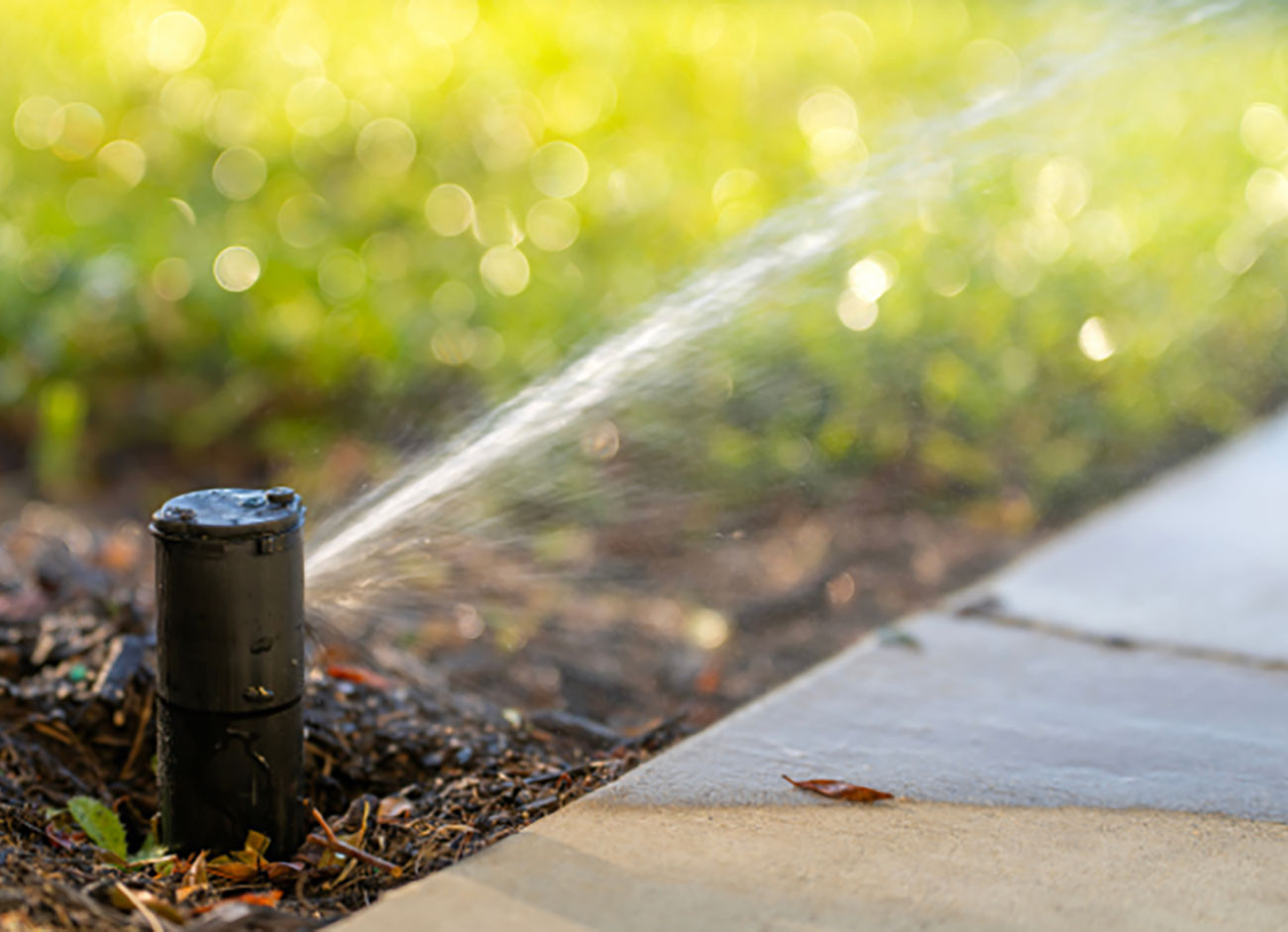
Sprinklers: distributing water where it's needed (determining quality)
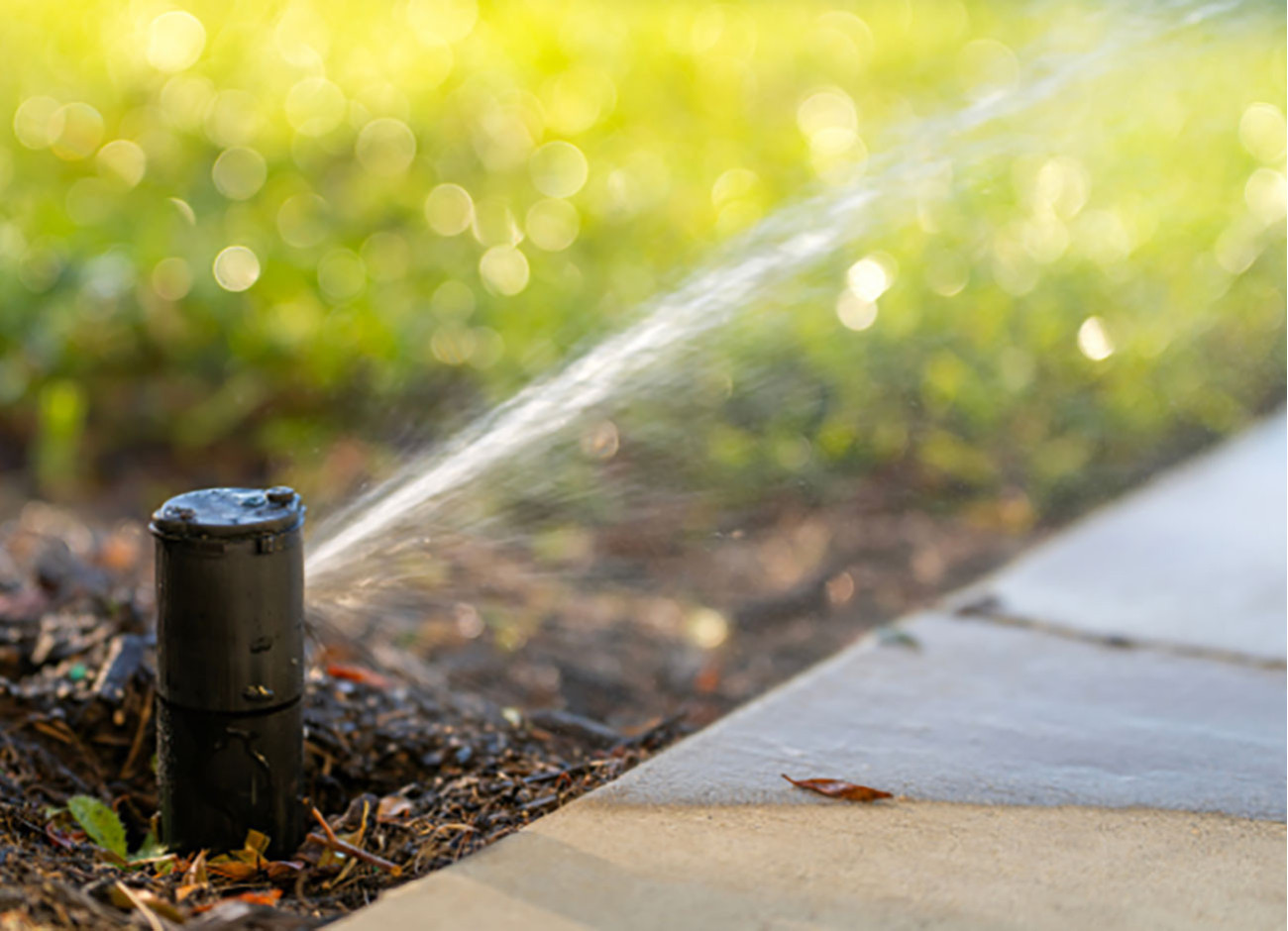
Sprinklers are the "visible" (or nearly) part of the system and greatly impact uniformity and waste. The choice depends mainly on:
- size of the area
- presence of wind
- shape of the lawn (rectangular? narrow? curved?)
- need to adjust arcs and radii
In general, in our catalog you will find both static (spray) sprinklers and dynamic/rotating (turbine/rotor) sprinklers, as well as adjustable solutions. The goal is not to "get the most powerful one," but the one that covers well without wetting walls and pathways.
Find the products here: https://storepst.com/gb/120-irrigatori
Fittings and filters: the small parts that prevent big problems
Fittings and connection components are used to build the network (branches, curves, passages, adaptations). Filters, on the other hand, are fundamental because:
- they reduce the risk of clogging
- they maintain constant performance over time
- they help protect sprinklers and valves
Often, problems that "seem to be the sprinkler's fault" are actually caused by dirty water or micro-residues: this is why filters are a smart investment, even for small systems.
Find the products here: https://storepst.com/gb/121-raccordi-e-filtri
Practical tips to make your irrigation system work well
Water at the right time
The best time, in most cases, is early morning: less evaporation and less stressed plants. Avoid the middle of the day.
Better "less often but thoroughly"
For the lawn, it is usually more effective to water so that the soil is thoroughly soaked, rather than doing daily micro-irrigations. Frequency depends on soil and climate, but the logic is: stimulate deeper roots.
Adjust arcs and directions: water on the wall is just waste
Spend time on adjustment: it’s one of the most "economical" improvements you can make. If you wet pavements and walls, you are paying for water that doesn't nourish the greenery.
Periodic check (5 minutes that are worth a lot)
Every now and then check:
- clogged or misaligned sprinklers
- leaks in joints/fittings
- dirty filters
Common errors to avoid
- designing without zones (or with "mixed" zones between lawn and flowerbeds)
- underestimating flow/pressure and then it "doesn't pull"
- no filter → recurring problems and unstable performance
- sprinklers chosen without coverage logic → dry patches
- "random" programming → waste and poor results
FAQ — Garden irrigation system (short version)
What are the basic components of an irrigation system?
Usually, you need a control unit/timer, solenoid valves with valve boxes, sprinklers, polyethylene pipes, fittings, and filters.
Automatic irrigation: is it really worth it?
Yes: it gives you consistency, reduces waste, and saves you time, because each zone irrigates with programmed times.
How many zones should I create in the garden?
It depends on flow/pressure and how the green space is divided. In general, lawn and flowerbeds/hedges should be managed in separate zones.
Static or dynamic sprinklers?
Static ones are suitable for smaller, regular areas; dynamic/rotating ones often perform better on larger surfaces. The correct choice is the one that guarantees uniform coverage without waste.
Is a filter really necessary in the system?
It is strongly recommended: the filter helps prevent clogging and performance drops over time.
What is the best time to water?
Usually early morning, to reduce evaporation and irrigate more efficiently.
Why does the lawn have dry patches even with the system?
It's often a coverage problem (sprinklers too far apart or poorly adjusted), partially clogged nozzles, or zones managed with unsuitable times.
In Same Category
- Which water heater to choose: a guide to selecting the right model
- New Air Conditioner Deals at StorePST: Why Buying in September Pays Off
- Boiler servicing: how often it is mandatory, what it includes, and how much it costs
- Portable air conditioner: what it is, how it works, and when it's best
- Samsung WindFree: Comfort without direct airflow and smart control (buying guide)