

Installing an air conditioner: complete guide (costs, rules and tips)
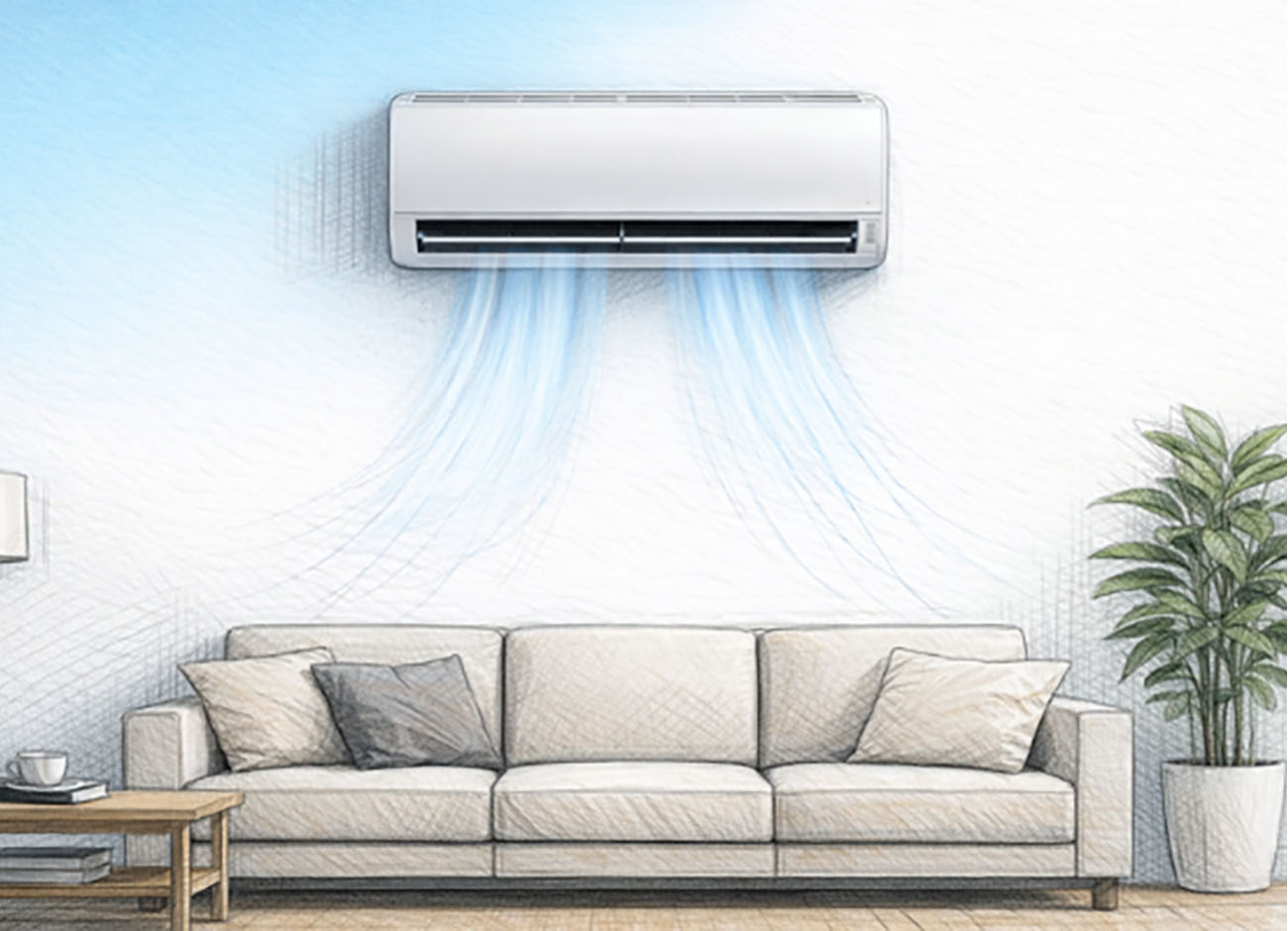
Air Conditioner Installation: Complete Home Guide (Costs, Rules and Practical Tips)
Installing an air conditioner is not "just" mounting a split unit on a wall: a proper installation directly affects the comfort, energy consumption, noise level and lifespan of the system. In this guide you'll find everything you need to know: how much it costs, what changes with or without pre-wiring, where to position the indoor and outdoor units, what to do in an apartment building, which documents to request, and which mistakes to avoid.
How Much Does It Cost to Install an Air Conditioner?
Installation costs vary mainly depending on:
- whether or not pre-wiring is already in place
- number of indoor units (single, dual, triple...)
- complexity of the routing (core drilling, long conduit runs, work at height)
- metres of piping and condensate drainage management
- electrical upgrades (dedicated circuit, protection devices)
Price Ranges (Indicative) for a Residential Property
Figures vary significantly from city to city and according to complexity. Use these as a rough ballpark reference.
- Single split with pre-wiring: the range is often lower, because the piping and condensate drain are already in place.
- Single split without pre-wiring: the cost rises because routing, fixings, core drilling/conduit runs are required, and often more labour hours.
- Dual / triple split: labour and materials increase (more refrigerant lines and drains, more testing and time).
What a "Proper" Installation Should Include
Always ask what is included. A complete job generally covers:
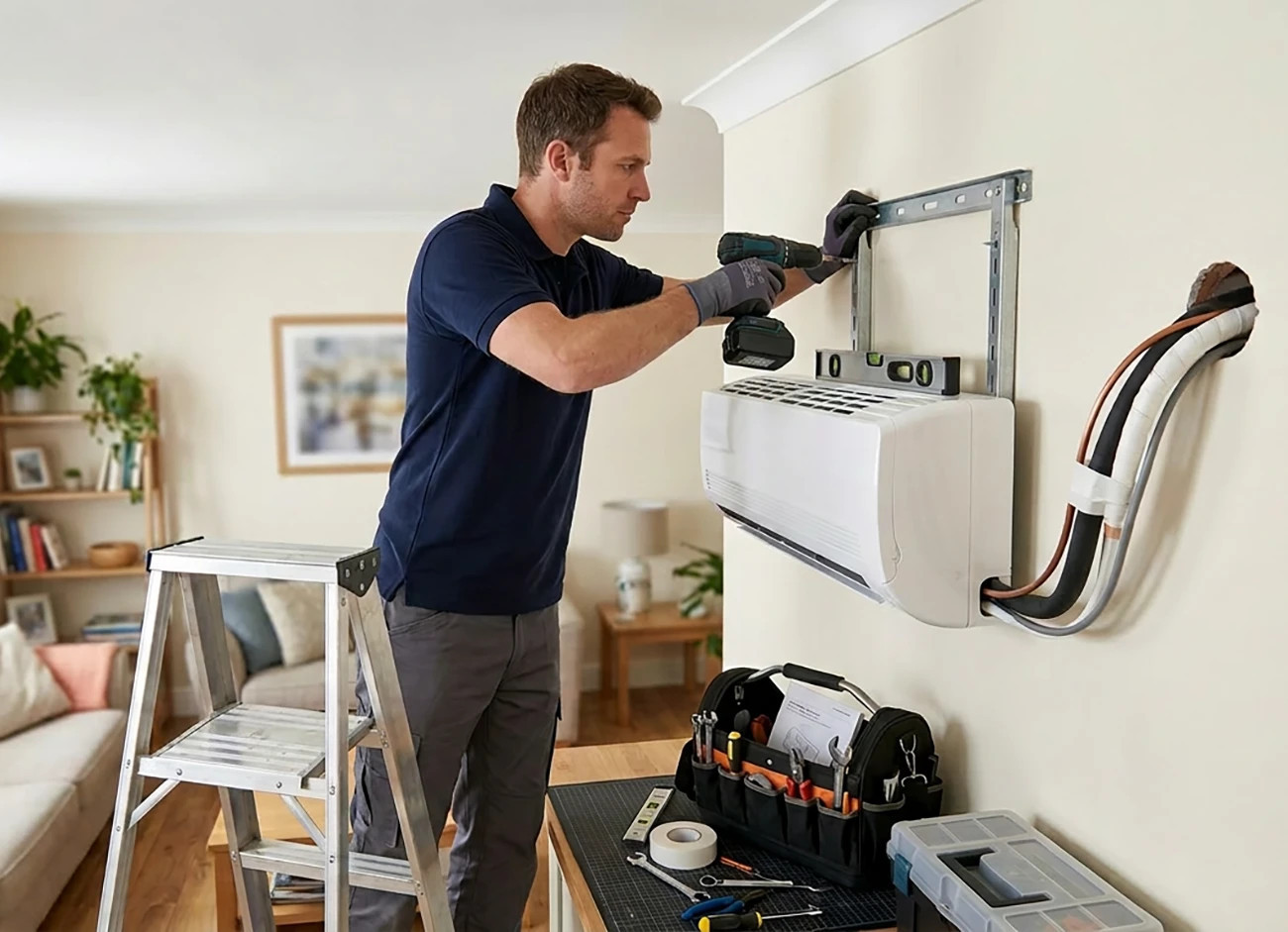
- mounting the indoor and outdoor units (appropriate brackets)
- refrigerant and electrical connections
- pressure test and vacuum of the system (a critical step)
- condensate drainage check
- start-up, functional testing and usage explanation
Extras That Often Push the Quote Higher
- extra metres of piping/conduit beyond the standard allowance
- core drilling through thick walls or stone
- outdoor unit in a complex position (high facade, need for platforms)
- electrical modifications (dedicated circuit, circuit breaker/RCD)
- non-"gravity" condensate drainage (pump required or alternative routing)
Installation with Pre-Wiring: What It Really Means (and How to Recognise It)
Pre-wiring refers to the set of preparations already built into the home to connect the indoor split unit and the outdoor unit.
It typically includes:
- copper pipes (refrigerant line) already routed
- condensate drain already in place
- routing for electrical/control cables
- a designated spot for the outdoor unit
How to Tell If Your Home Is Pre-Wired
Near the area where the indoor unit would go, you often find:
- a wall channel/outlet with capped pipework
- a prepared hole or junction box
- a drain pipe leading to a downpipe or dedicated drain
If you're unsure, take 3–4 photos (the indoor unit spot + the balcony/facade for the outdoor unit + the electrical panel) and ask for an opinion before the site visit — it helps avoid surprises.
Installation without Pre-Wiring: What It Involves
Without pre-wiring, the installer has to "create" the necessary routes. The most common solutions are:
- External conduit trunking: quick and tidy, often the best choice if you want to avoid structural work.
- Internal chases (masonry): less visible, but require building work and reinstatement.
- Core drilling: a hole to pass piping and cables from inside to outside.
The most critical element, beyond the pipes, is the condensate drain: it must be designed properly to avoid dripping, bad smells or back-flow.
Where to Position the Indoor Unit: Comfort Comes First
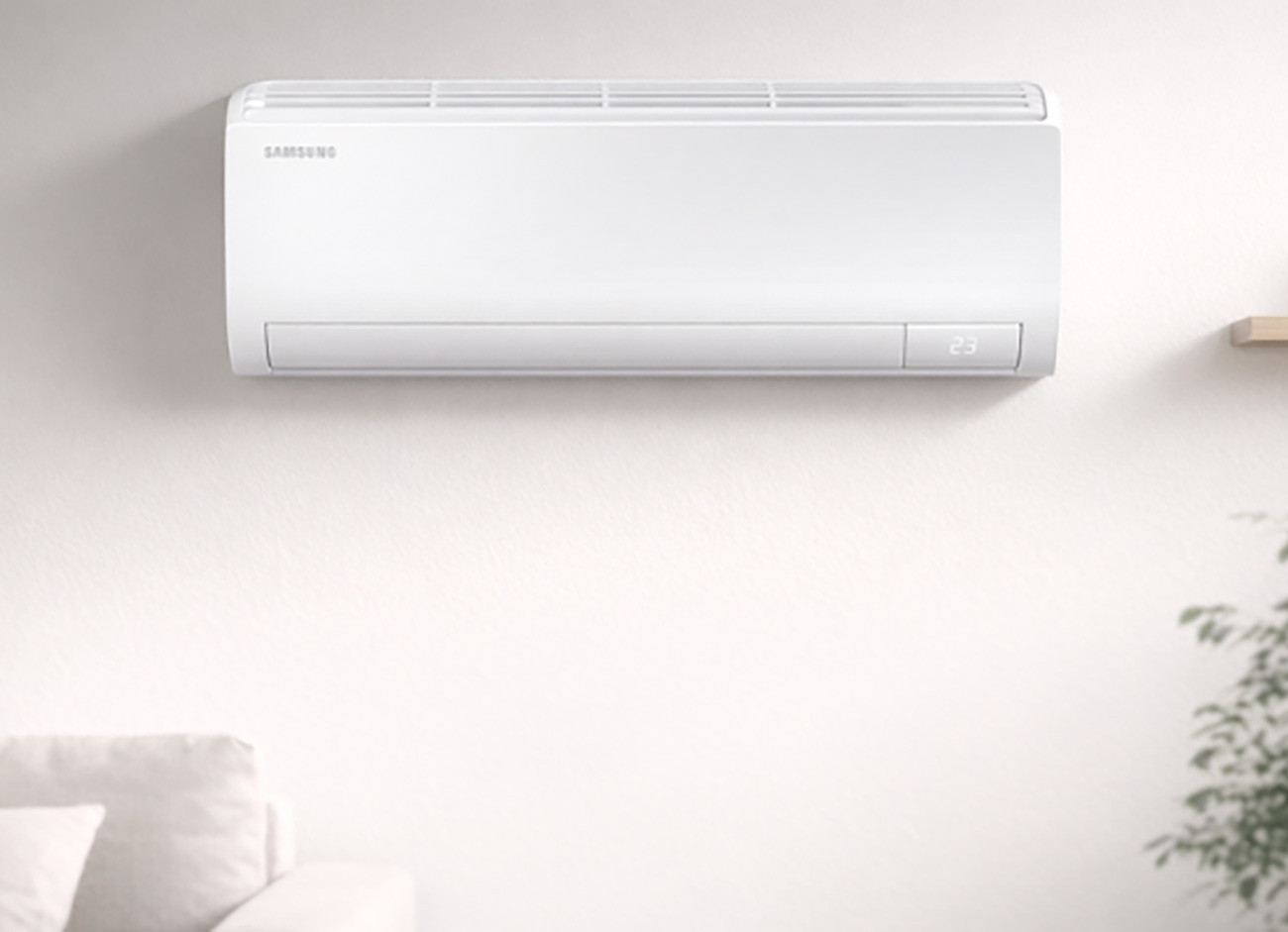
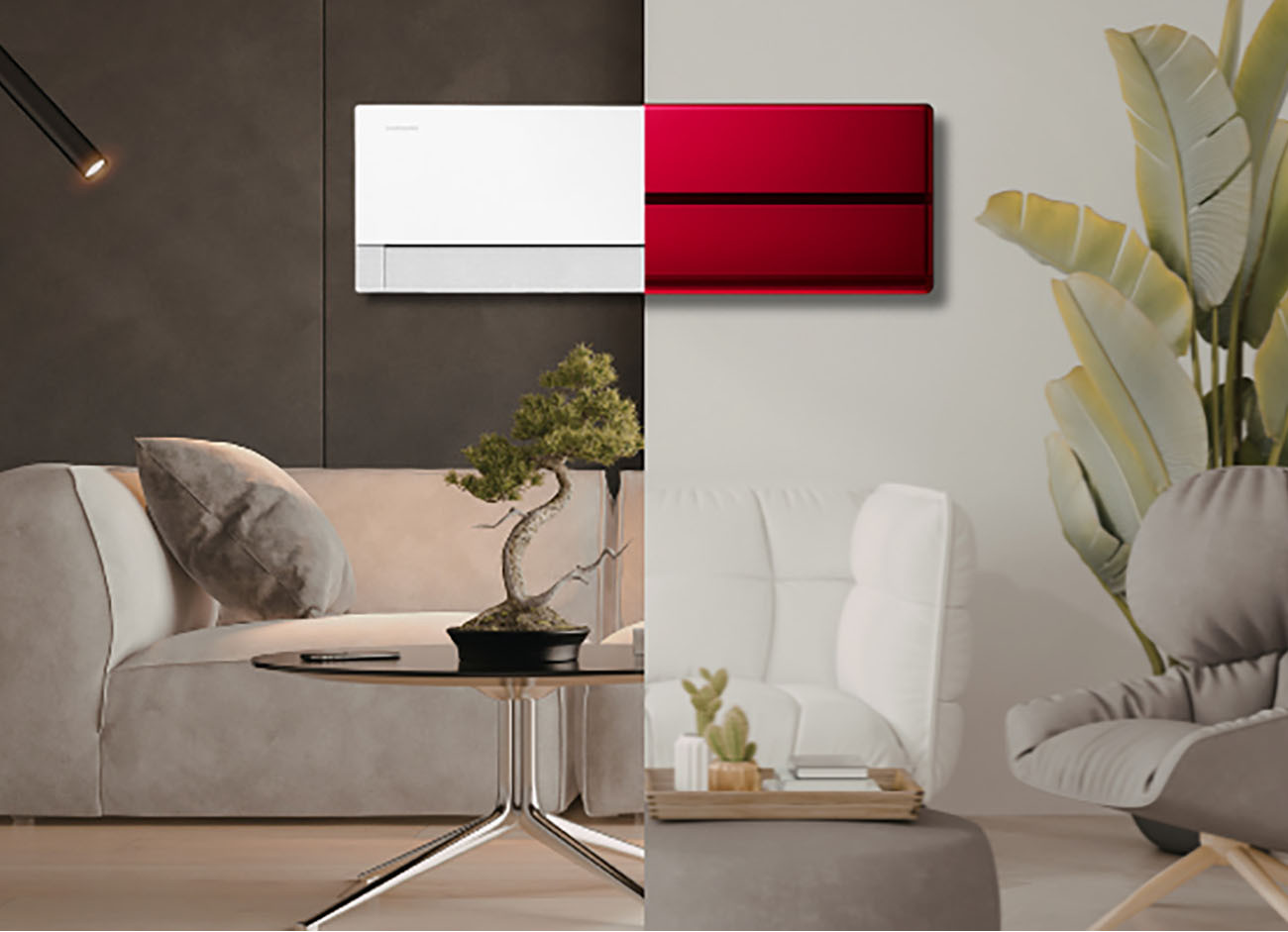
The right positioning improves performance and reduces issues such as direct draughts or uneven temperature distribution.
Practical Rules (Simple but Important)
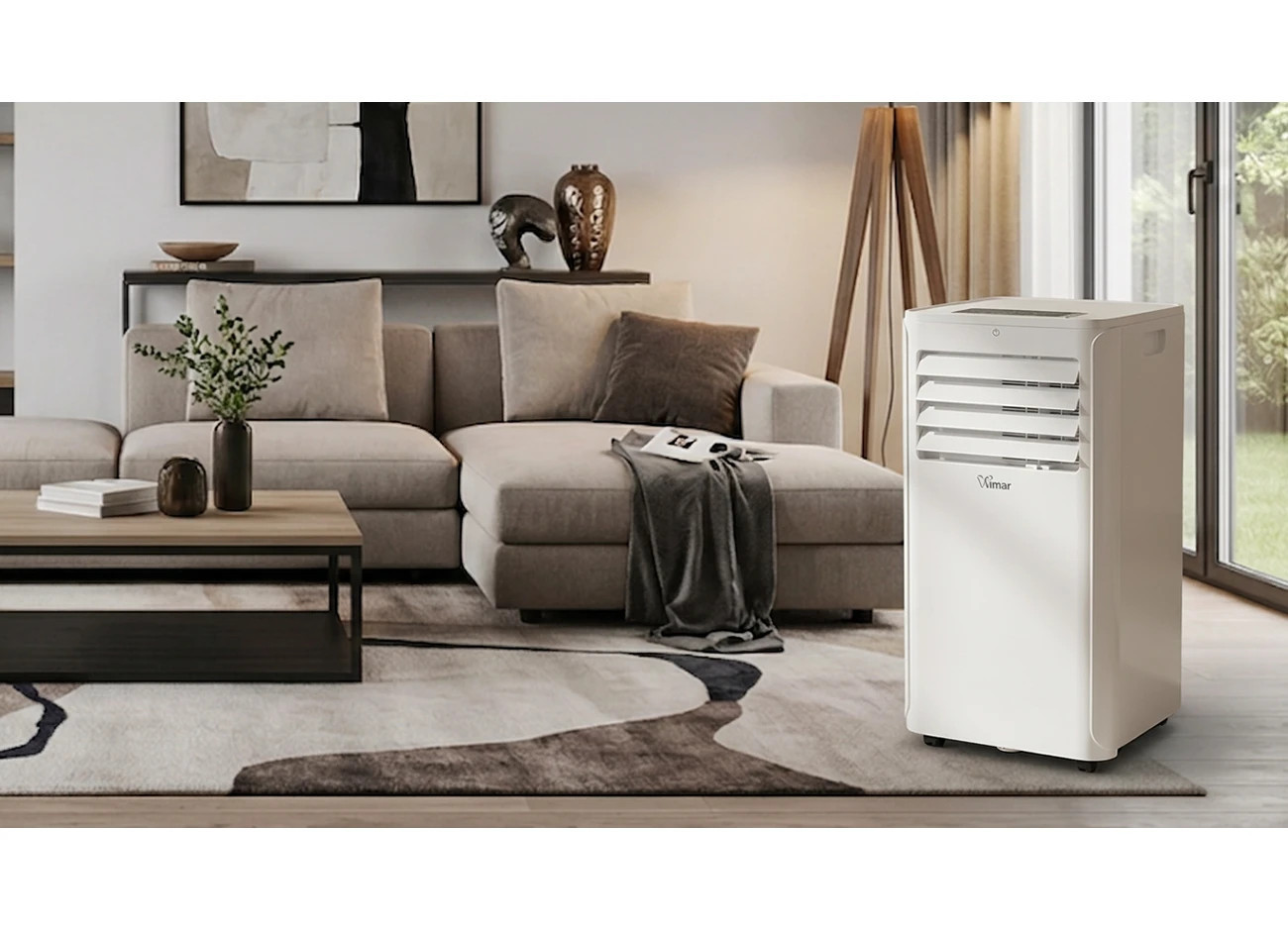
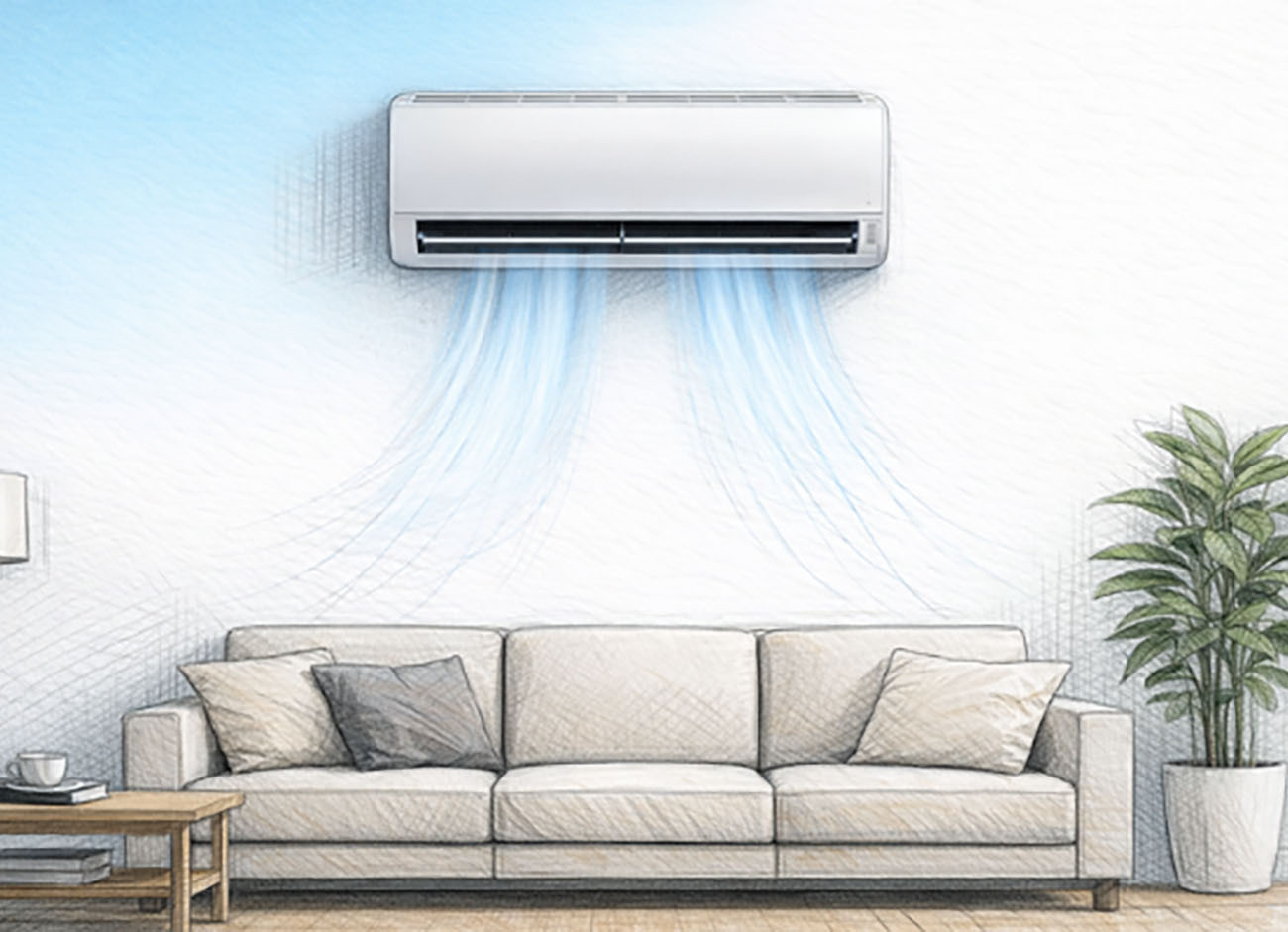
- Avoid direct airflow onto the bed, sofa or desk: even in gentler modes, the direction of the airflow matters.
- Choose a wall that allows free airflow (no heavy curtains in front, flush-mounted shelving, or narrow recesses).
- Consider the distance from heat sources (oven, hob) and sun exposure.
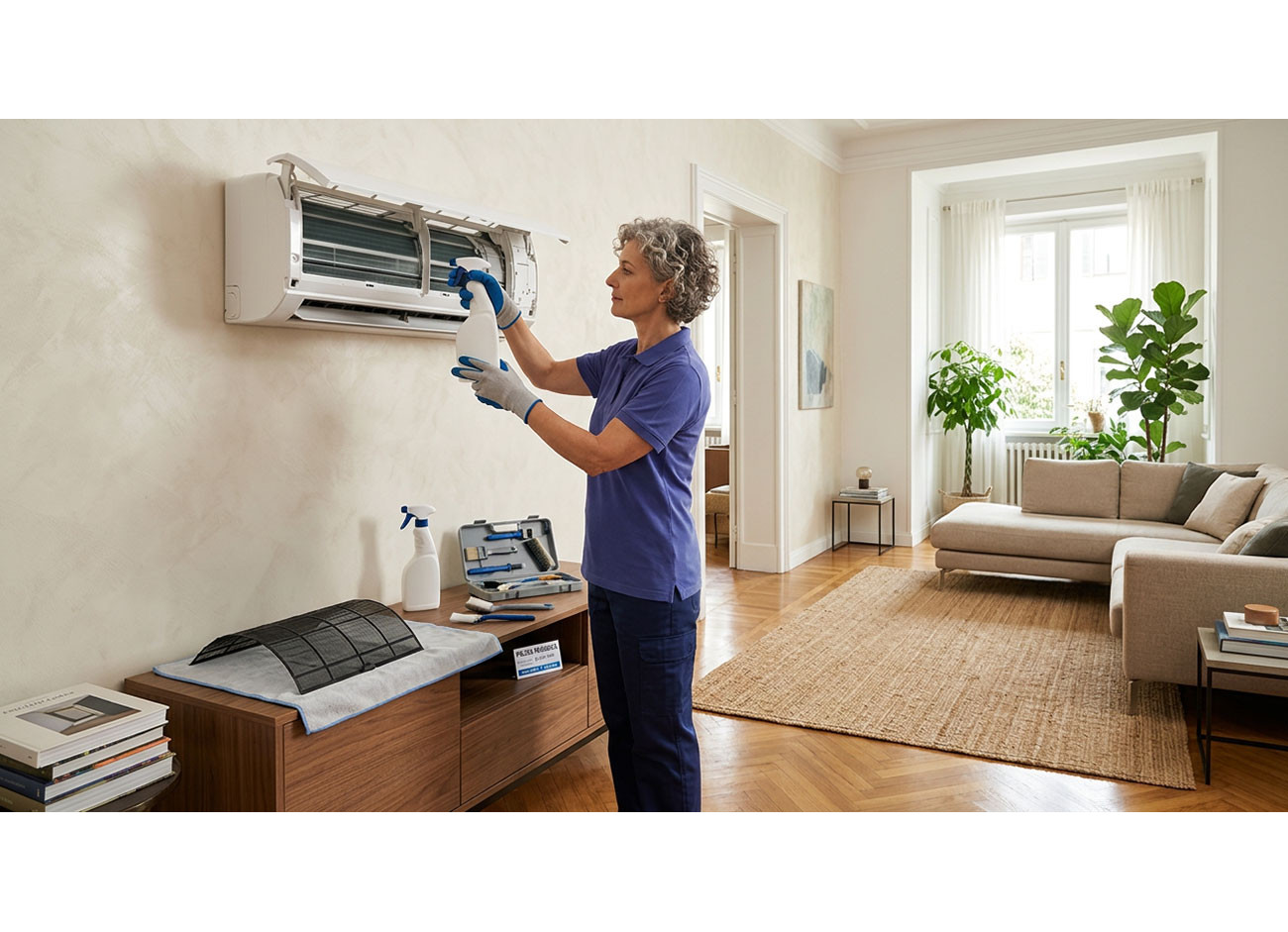
- Think about maintenance: the filter and front panel must be accessible.
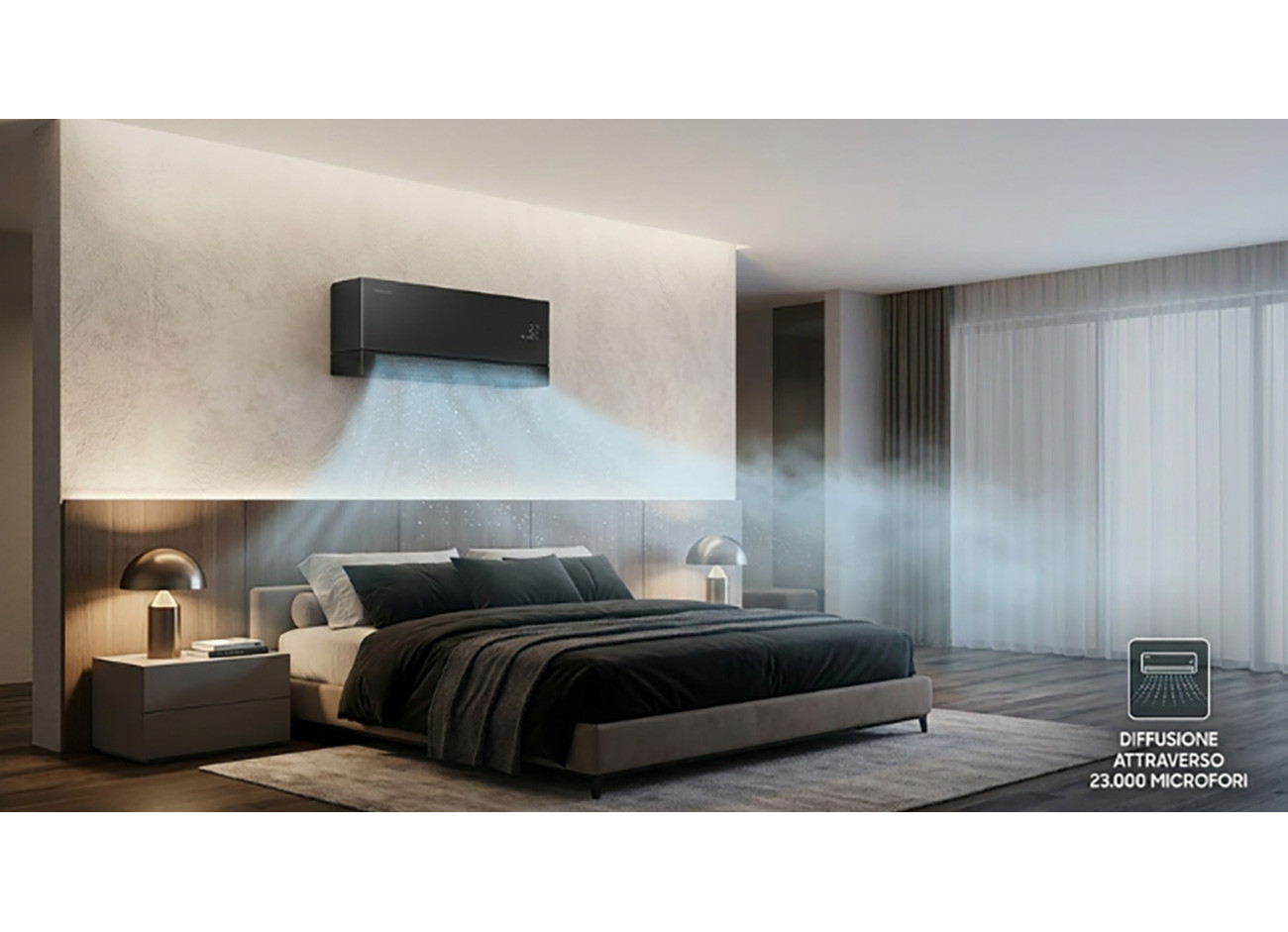
Tip: in the bedroom it's often best to choose a position that allows you to angle the vanes away from the bed and use night/silent modes.
Where to Place the Outdoor Unit: Performance, Noise and Maintenance
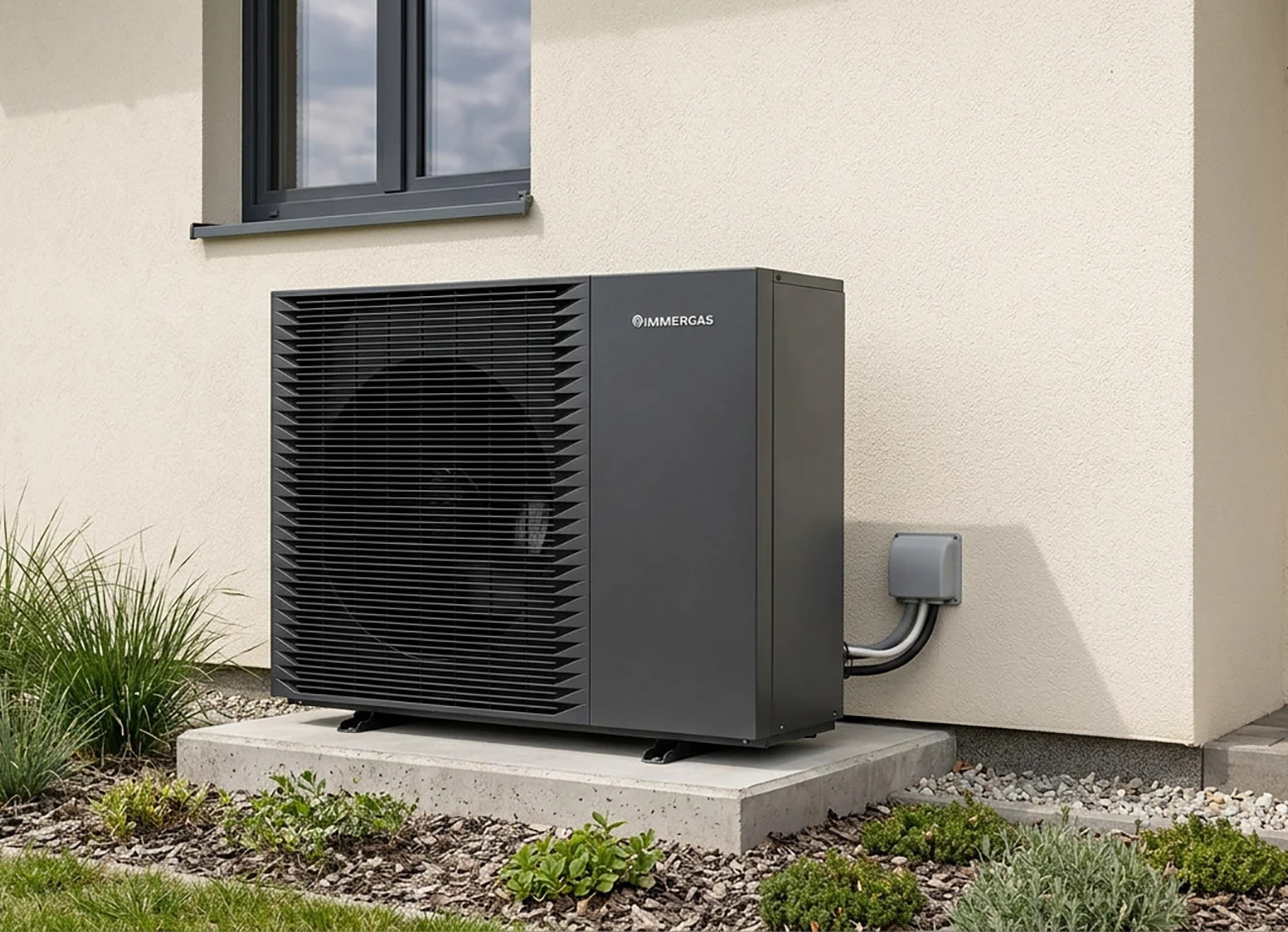
The outdoor unit needs to "breathe": if placed in a tight space or without air circulation, efficiency drops and compressor noise and stress increase.
Best Practices
- Leave space for ventilation (avoid overly enclosed recesses).
- Use appropriate brackets and supports to reduce vibrations.
- Avoid positions that amplify noise (resonant walls, enclosed balconies).
- Keep access clear for maintenance and cleaning.
Installing an Air Conditioner in an Apartment Building: What to Know
In apartment buildings, the main concern is usually the outdoor unit (facade, aesthetics, noise).
In practice:
- check whether there are specific rules in the building regulations
- assess the impact on the facade/aesthetics and the position (some buildings require inner-facing walls, balconies or dedicated spots)
- pay attention to condensate drainage: it must not drip onto walkways or neighbouring balconies
- noise must remain within acceptable limits
If in doubt, acting "before" (checking with the building manager or regulations) avoids disputes later.
Note: this section is informational and does not replace legal advice or interpretation of your building's specific regulations.
Who Can Install an Air Conditioner? Why to Avoid DIY
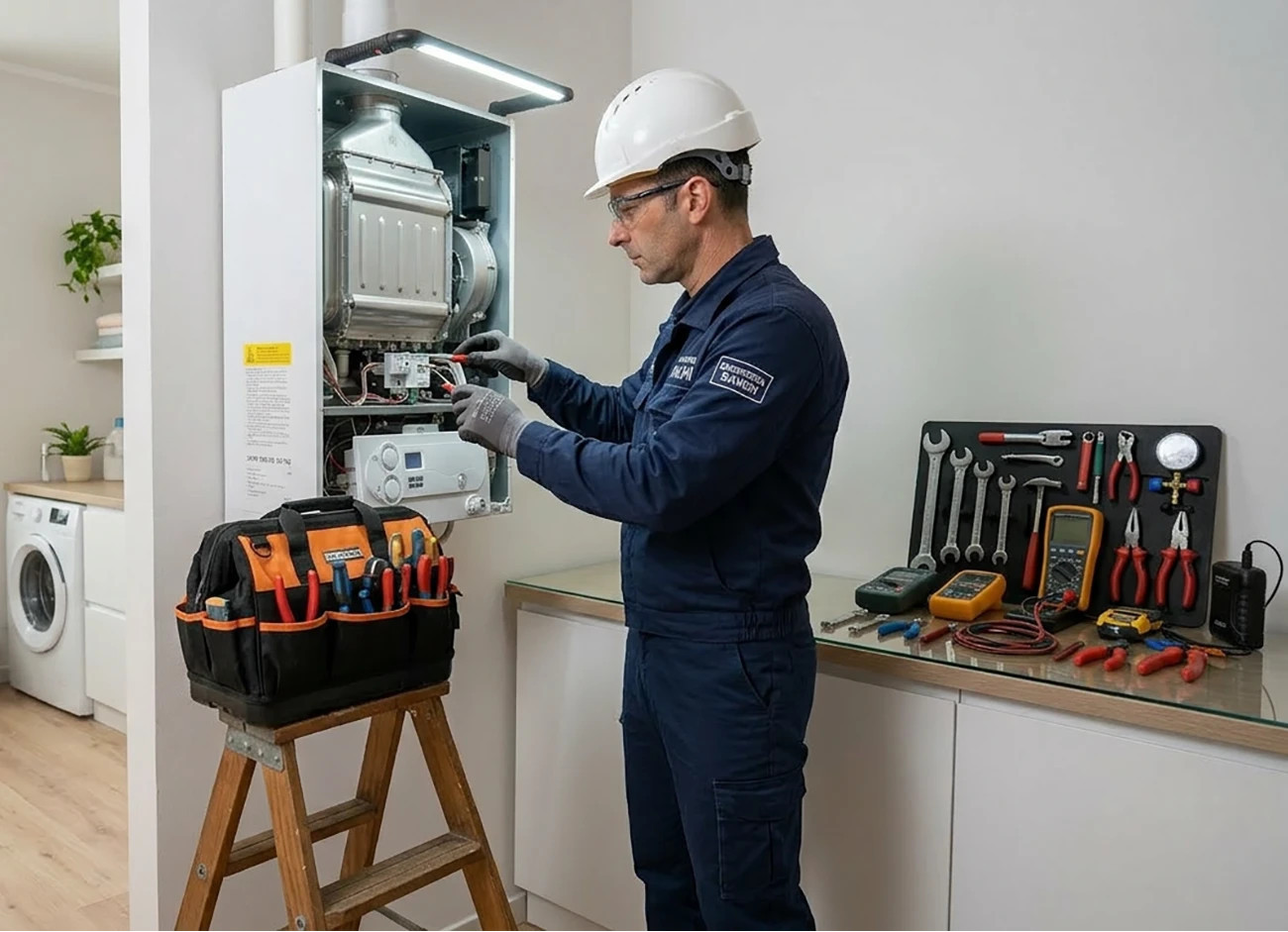
A modern air conditioning system uses refrigerants and requires correct installation and commissioning procedures. A qualified technician:
- sizes the system correctly
- performs the vacuum and pressure tests (essential for efficiency and reliability)
- reduces the risk of leaks and malfunctions
- provides the necessary documentation and protects the warranty
DIY may cost less "today", but it often leads to:
- poor performance and high energy consumption
- condensate problems
- noise and vibrations
- premature failures
Documents and Things to Request at the End of Installation
For "hassle-free" ownership (warranty, future maintenance, possible resale), ask for:
- a detailed invoice (materials + labour)
- information on the installed model and settings
- instructions for filter cleaning and maintenance
- any declarations/certifications if work was carried out on the electrical system (where applicable)
How Long Does It Take to Install an Air Conditioner?
It depends on the complexity:
- with pre-wiring: often just a few hours are enough
- without pre-wiring: it may require half a day or a full day or more, especially if structural work, long runs or work at height is involved
The best way to estimate time and costs is a site visit (or an initial assessment with photos and measurements).
When Is the Best Time to Install? The Best Period to Avoid Stress
If you can choose, the best months are often late winter / spring or early autumn:
- greater availability of installers
- faster turnaround times
- less urgency and more product choice
Waiting until the first real heat wave often means having to accept compromises (timing, available slots, product alternatives).
Common Mistakes to Avoid (and How to Spot Them in Advance)
- Improvised condensate drainage
Solution: ask where the condensate will drain and how dripping will be prevented. - "Suffocated" outdoor unit
Solution: no enclosed spaces without air circulation. - Too many bends or long unassessed runs
Solution: ask whether the run falls within specifications and whether any special measures are needed. - Non-anti-vibration fixings
Solution: sturdy brackets + rubber/anti-vibration mounts where necessary. - No vacuum and pressure test
Solution: explicitly ask that the system vacuum and commissioning test be carried out.
FAQ – Frequently Asked Questions About Air Conditioner Installation
Is pre-wiring required to install an air conditioner?
No, but without pre-wiring additional work is needed (pipe routing, condensate drain, conduit or chases), so time and costs increase.
Can I install the outdoor unit on the balcony?
Often yes, but proper ventilation, bracket stability, noise/vibration levels and building regulations must all be verified.
How long does a single split installation take?
With pre-wiring, a few hours are usually enough; without pre-wiring, it may take half a day or a full day.
What is the most common mistake?
Underestimating the condensate drain and the positioning of the outdoor unit: these are among the leading causes of issues and performance loss.
Conclusion: How to Get a "By-the-Book" Installation
Before purchasing or booking an appointment, gather:
- photos of where you want the indoor unit
- photos/idea of where to place the outdoor unit
- approximate distance between the indoor and outdoor locations
- information on pre-wiring and building regulations
This way the installer can quote accurately and you avoid surprises.
In Same Category
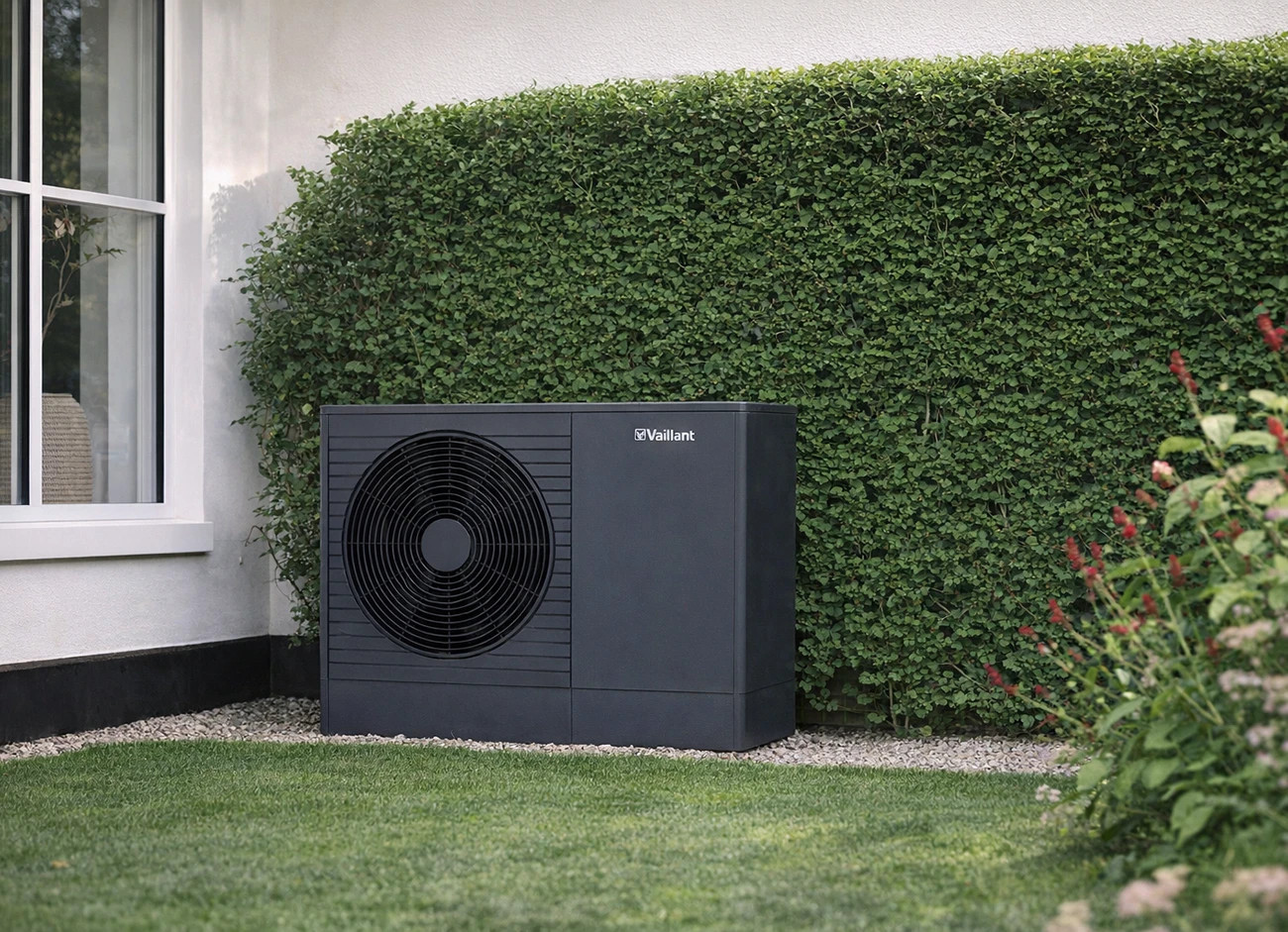
- New monobloc heat pumps on StorePST: faster to integrate, more straightforward to install
- NEW CONDENSING BOILERS: VAILLANT ECOTEC PLUS, ECOVIT VKK AND IMMERGAS VICTRIX SUPERIOR, VICTRIX ZEUS
- Which water heater to choose: a guide to selecting the right model
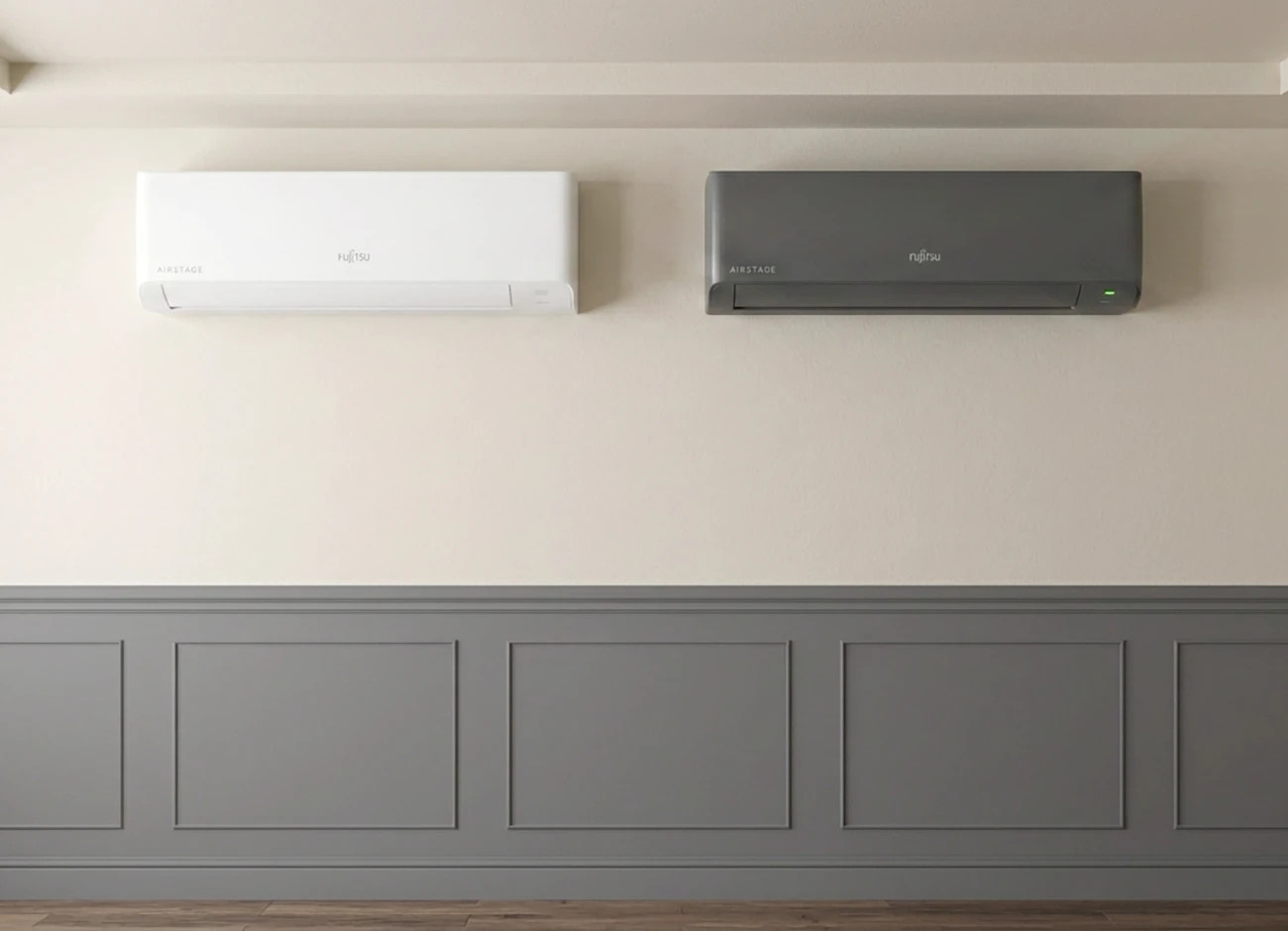
- New Air Conditioner Deals at StorePST: Why Buying in September Pays Off
- Boiler servicing: how often it is mandatory, what it includes, and how much it costs